Articles

Histopathological and immunofluorescent characterization of post-sepsis immune dysregulation in a clinically relevant mouse model

Publisher's note
All claims expressed in this article are solely those of the authors and do not necessarily represent those of their affiliated organizations, or those of the publisher, the editors and the reviewers. Any product that may be evaluated in this article or claim that may be made by its manufacturer is not guaranteed or endorsed by the publisher.
Published: 12 February 2026
129
Views
122
Downloads
0
HTML

Authors

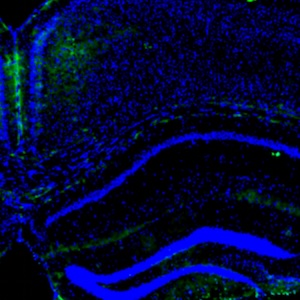
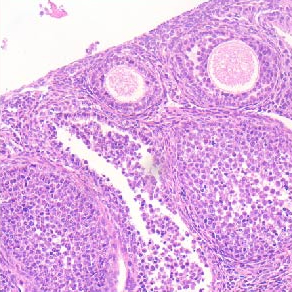
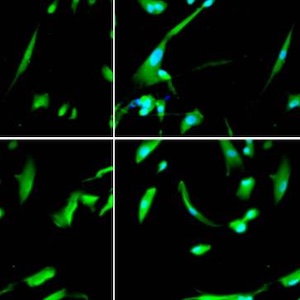
Sepsis remains a major cause of morbidity and mortality worldwide, yet its prolonged pathophysiological consequences are poorly understood. Here, we employed a murine cecal ligation and puncture (CLP) model to investigate the prolonged impact of sepsis on survival, systemic inflammation, and organ pathology. Adult male C57BL/6 mice underwent CLP or sham surgery and were monitored for 28 days. Survival was recorded daily, while serial assessments of hematology, serum biochemistry, bacterial load, and cytokine levels were performed. Tissue immunofluorescence was used to characterize myeloid-derived suppressor cells (MDSCs), which are potent immunosuppressive cells that inhibit both adaptive and innate immune responses in sepsis, contributing to sepsis-induced immunosuppression. Histopathological analyses were conducted to evaluate structural changes in major organs. CLP mice displayed markedly reduced long-term survival compared with sham controls. Hematological profiling revealed persistent leukocytosis and an inflammatory response, while serum analyses showed sustained elevations in in bilirubin, creatinine, and blood urea nitrogen, reflecting hepatic and renal injury. Bacterial cultures confirmed systemic microbial persistence, and cytokine measurements indicated ongoing inflammatory activity. Tissue immunofluorescence demonstrated the infiltration of MDSCs across multiple organs, consistent with post-sepsis immunosuppression. Histopathological examination revealed widespread, chronic injury in the lungs, liver, kidneys, and spleen, including inflammatory infiltration, tissue degeneration, and architectural disruption. In conclusion, sepsis induces not only acute systemic inflammation but also enduring immune dysregulation and progressive organ damage. These findings highlight the CLP model as a robust platform for studying post-sepsis sequelae and underscore the need for therapeutic strategies that target long-term organ protection and immune restoration.

Downloads

Download data is not yet available.

Citations

1. Rudd KE, Johnson SC, Agesa KM, Shackelford KA, Tsoi D, Kievlan DR, et al. Global, regional, and national sepsis incidence and mortality, 1990-2017: analysis for the Global Burden of Disease Study. Lancet 2020;395:200-11. DOI: https://doi.org/10.1016/S0140-6736(19)32989-7
2. Gray A, Sharara F. Global and regional sepsis and infectious syndrome mortality in 2019: a systematic analysis. Lancet Global Healt. 2022;10:S2. DOI: https://doi.org/10.1016/S2214-109X(22)00131-0
3. Xie J, Wang H, Kang Y, Zhou L, Liu Z, Qin B, et al. The epidemiology of sepsis in Chinese ICUs: a national cross-sectional survey. Crit Care Med. 2020;48:e209-e18. DOI: https://doi.org/10.1097/CCM.0000000000004155
4. Singer M, Deutschman CS, Seymour CW, Shankar-Hari M, Annane D, Bauer M, et al. The third international consensus definitions for sepsis and septic shock (Sepsis-3). JAMA 2016;315:801-10. DOI: https://doi.org/10.1001/jama.2016.0287
5. Osuchowski MF, Thiemermann C, Remick DG. Sepsis-3 on the block: what does it mean for preclinical sepsis modeling? Shock 2017;47:658-60. DOI: https://doi.org/10.1097/SHK.0000000000000775
6. Fleischmann-Struzek C, Mellhammar L, Rose N, Cassini A, Rudd KE, Schlattmann P, et al. Incidence and mortality of hospital- and ICU-treated sepsis: results from an updated and expanded systematic review and meta-analysis. Intensive Care Med 2020;46:1552-62. DOI: https://doi.org/10.1007/s00134-020-06151-x
7. Hawkins RB, Raymond SL, Stortz JA, Horiguchi H, Brakenridge SC, Gardner A, et al. Chronic critical illness and the persistent inflammation, immunosuppression, and catabolism syndrome. Front Immunol 2018;9:1511. DOI: https://doi.org/10.3389/fimmu.2018.01511
8. Ibarz M, Haas LEM, Ceccato A, Artigas A. The critically ill older patient with sepsis: a narrative review. Ann Intensive Care 2024;14:6. DOI: https://doi.org/10.1186/s13613-023-01233-7
9. Hotchkiss RS, Monneret G, Payen D. Immunosuppression in sepsis: a novel understanding of the disorder and a new therapeutic approach. Lancet Infect Dis 2013;13:260-8. DOI: https://doi.org/10.1016/S1473-3099(13)70001-X
10. Sarkar P, Mazgaeen L, Saini S, Gautam N, Paden A, Paton H, et al. Neutrophils are key modulators of sex differences in LPS-induced shock in mice. Blood Vessel Thromb Hemost 2025;2:100104. DOI: https://doi.org/10.1016/j.bvth.2025.100104
11. Bojalil R, Ruiz-Hernandez A, Villanueva-Arias A, Amezcua-Guerra LM, Casarez-Alvarado S, Hernandez-Duenas AM, et al. Two murine models of sepsis: immunopathological differences between the sexes-possible role of TGFbeta1 in female resistance to endotoxemia. Biol Res 2023;56:54. DOI: https://doi.org/10.1186/s40659-023-00469-8
12. Dejager L, Pinheiro I, Dejonckheere E, Libert C. Cecal ligation and puncture: the gold standard model for polymicrobial sepsis? Trends Microbiol 2011;19:198-208. DOI: https://doi.org/10.1016/j.tim.2011.01.001
13. Rittirsch D, Huber-Lang MS, Flierl MA, Ward PA. Immunodesign of experimental sepsis by cecal ligation and puncture. Nat Protoc 2009;4:31-6. DOI: https://doi.org/10.1038/nprot.2008.214
14. Rinwa P, Eriksson M, Cotgreave I, Backberg M. 3R-Refinement principles: elevating rodent well-being and research quality. Lab Anim Res 2024;40:11. DOI: https://doi.org/10.1186/s42826-024-00198-3
15. Huet O, Ramsey D, Miljavec S, Jenney A, Aubron C, Aprico A, et al. Ensuring animal welfare while meeting scientific aims using a murine pneumonia model of septic shock. Shock 2013;39:488-94. DOI: https://doi.org/10.1097/SHK.0b013e3182939831
16. Krishna M. Histological grading and staging of chronic hepatitis. Clin Liver Dis (Hoboken) 2021;17:222-6. DOI: https://doi.org/10.1002/cld.1014
17. Quaedackers JSLT, Beuk RJ, Bennet L, Charlton A, oude Egbrink MGA, Gunn AJ, et al. An evaluation of methods for grading histologic injury following ischemia/reperfusion of the small bowel. Transplant Proc2000;32:1307-10. DOI: https://doi.org/10.1016/S0041-1345(00)01238-0
18. Silva IAN, Gvazava N, Bolukbas DA, Stenlo M, Dong J, Hyllen S, et al. A semi-quantitative scoring system for green histopathological evaluation of large animal models of acute lung injury. Bio Protoc 2022;12: e4493. DOI: https://doi.org/10.21769/BioProtoc.4493
19. Berikashvili LB, Geize AV, Kornelyuk RA, Plotnikov GP. Immune status in chronic critical illness: a systematic review. Ann Crit Care 2023;1:133-44. DOI: https://doi.org/10.21320/1818-474X-2023-1-133-144
20. Boomer JS, To K, Chang KC, Takasu O, Osborne DF, Walton AH, et al. Immunosuppression in patients who die of sepsis and multiple organ failure. JAMA 2011;306:2594-605. DOI: https://doi.org/10.1001/jama.2011.1829
21. Maier S, Traeger T, Entleutner M, Westerholt A, Kleist B, Huser N, et al. Cecal ligation and puncture versus colon ascendens stent peritonitis: two distinct animal models for polymicrobial sepsis. Shock 2004;21:505-11. DOI: https://doi.org/10.1097/01.shk.0000126906.52367.dd
22. Lewis AJ, Rosengart MR. Bench-to-bedside: a translational perspective on murine models of sepsis. Surg Infect (Larchmt) 2018;19:137-41. DOI: https://doi.org/10.1089/sur.2017.308
23. Libert C, Ayala A, Bauer M, Cavaillon JM, Deutschman C, Frostell C, et al. Part II: minimum quality threshold in preclinical sepsis studies (MQTiPSS) for types of infections and organ dysfunction endpoints. Shock 2019;51:23-32. DOI: https://doi.org/10.1097/SHK.0000000000001242
24. Arens C, Bajwa SA, Koch C, Siegler BH, Schneck E, Hecker A, et al. Sepsis-induced long-term immune paralysis--results of a descriptive, explorative study. Crit Care 2016;20:93. DOI: https://doi.org/10.1186/s13054-016-1233-5
25. Bronte V. Myeloid-derived suppressor cells in inflammation: uncovering cell subsets with enhanced immunosuppressive functions. Eur J Immunol 2009;39:2670-2. DOI: https://doi.org/10.1002/eji.200939892
26. Gabrilovich DI. Myeloid-derived suppressor cells. Cancer Immunol Res 2017;5:3-8. DOI: https://doi.org/10.1158/2326-6066.CIR-16-0297

Ethics Approval

this study was approved by the Animal Experiment Ethics Review Committee of Kunming Medical University (Approval number: Kmmu20230225)

CRediT authorship contribution

Zongfang Ren, Haoran Tang, study conception and design, funding support; Lingling Wang, methodology; Ning Tang, data curation; Haoran Tang, Chen Liao, data analysis and interpretation; Zongfang Ren, supervision. All authors, writing – original draft, review and editing. All authors read and approved the final manuscript.

Supporting Agencies

Basic Research Program of the Science and Technology Department of Yunnan Province, Yunnan Science and Technology Department’s plan for cultivating science and technology talents and establishing platforms

Data Availability Statement

The datasets used and/or analyzed during the current study are available from the corresponding author on reasonable request

How to Cite


1.
Tang H, Liao C, Tang N, Li H, Liu Y, Wang L, et al. Histopathological and immunofluorescent characterization of post-sepsis immune dysregulation in a clinically relevant mouse model. Eur J Histochem [Internet]. 2026 Feb. 12 [cited 2026 Mar. 11];70(1). Available from: https://www.ejh.it/ejh/article/view/4435