
Reliable hexokinase 3 protein detection in human cell lines and primary tissue

All claims expressed in this article are solely those of the authors and do not necessarily represent those of their affiliated organizations, or those of the publisher, the editors and the reviewers. Any product that may be evaluated in this article or claim that may be made by its manufacturer is not guaranteed or endorsed by the publisher.
Accepted: 27 February 2025
Authors
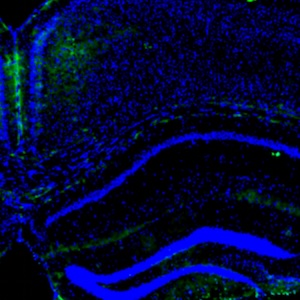
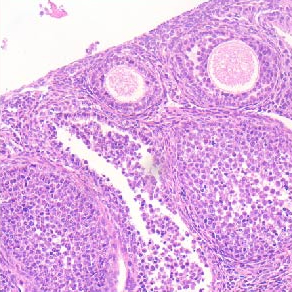
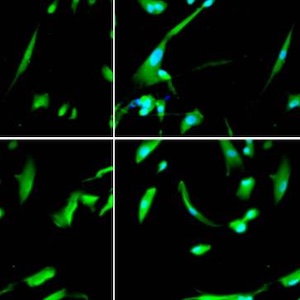
Accurate differentiation of homologous proteins that share high sequence identity remains a significant challenge in biomedical research, as conventional antibodies often lack sufficient specificity, leading to potential misinterpretations. This issue is particularly evident in the study of hexokinases, a family of isoenzymes that catalyze the first step of glycolysis by phosphorylating glucose. Beyond their canonical metabolic roles, hexokinases play critical non-glycolytic functions, especially in cancer biology. However, their unique tissue distributions and context-dependent roles are often obscured by the overlapping specificities of commercially available antibodies, which can produce misleading results. In this study, we rigorously evaluated a panel of antibodies targeting hexokinase isoenzyme 3 (HK3), highlighting the widespread issue of cross-reactivity and insufficient validation. Through this process, we identified and validated a highly specific antibody for HK3, demonstrating its reliability in western blot and immunohistochemistry applications. Using this validated tool, we reveal the distinct localization of HK3 in myeloid cell populations, providing new insights into its potential functional roles in these cells. This work addresses a critical gap in antibody specificity and establishes HK3 as a uniquely expressed gene in myeloid and immune cells and is absent in other cell types under basal conditions. Providing a foundation for future investigations into its context-dependent functions.
Downloads
Citations




Supporting Agencies
Swiss National Science Foundation, Ministry of Higher Education and Scientific Research of the Arabic Republic of Egypt, Swiss Government Excellence ScholarshipHow to Cite

This work is licensed under a Creative Commons Attribution-NonCommercial 4.0 International License.