ROLE OF SCHWANN CELLS-CANCER CELLS CROSSTALK IN TUMOUR PROGRESSION
C. Giampietri1, E. Pizzichini1, F. Somma1, S. Petrungaro1, A. Facchiano2, A. Filippini1, C. Fabrizi1, E. Gaudio1 | 1Department of Anatomy, Histology, Forensic Medicine and Orthopedics, Sapienza University of Rome, Rome, Italy; 2Istituto Dermopatico dell’Immacolata, IDI-IRCCS, Rome, Italy
All claims expressed in this article are solely those of the authors and do not necessarily represent those of their affiliated organizations, or those of the publisher, the editors and the reviewers. Any product that may be evaluated in this article or claim that may be made by its manufacturer is not guaranteed or endorsed by the publisher.
Authors
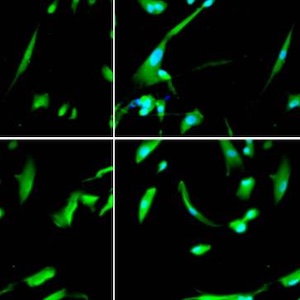
In the last years, relevant studies have shown that the peripheral nervous system is actively involved in the progression of cancer and some works have demonstrated the role of Schwann cells (SCs) in affecting cancer progression.1,2 Our results (obtained on melanoma and hepatocarcinoma cells exposed to the conditioned medium of human SCs cultures) reveal that SCs may induce more aggressive features on tumour cell lines, including enhanced proliferation, migration, Matrigel invasion, changes in the protein levels of epithelial-to-mesenchymal transition markers (N-cadherin, E-cadherin, Vimentin), upregulation of key oncogenes and downregulation of tumour suppressors. Concurrently, paracrine signals from cancer cells may induce a chemotactic response in SCs, promoting processes such as proliferation, migration, Matrigel invasion and upregulation of repair-related markers (GFAP), thereby activating a programme resembling the one occurring at nerve injury sites. Our findings demonstrate a bidirectional interaction between SCs and cancer cells. This emphasizes the importance of developing a deeper understanding of the glial component in the tumour microenvironment, as this could significantly impact tumour progression. Human Cell cultures of melanoma (SK-MEL-28, A375), hepatocarcinoma (HepG2, Hep3B), primary SCs. Proliferation assays (cell counting, MTT, BrdU, clonogenic tests), migration/ invasion assays, WB and MS-based proteomic analyses.
Downloads
Citations




Supporting Agencies
-Data Availability Statement
OAHow to Cite

This work is licensed under a Creative Commons Attribution-NonCommercial 4.0 International License.