FROM SEEING TO BELIEVING: A 43-YEAR LONG JOURNEY IN IMMUNOSTAINING
G. Cattoretti | UNIMIB Pathology, Department of Medicine and Surgery, University of Milano-Bicocca, Milano, Italy
All claims expressed in this article are solely those of the authors and do not necessarily represent those of their affiliated organizations, or those of the publisher, the editors and the reviewers. Any product that may be evaluated in this article or claim that may be made by its manufacturer is not guaranteed or endorsed by the publisher.
Authors
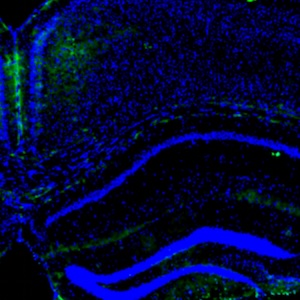
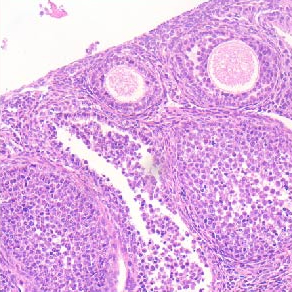
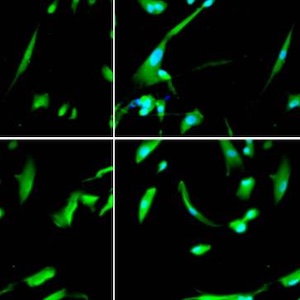
In the last 43 years, thanks to fantastic collaborators, we used antibodies in immunostaining and published a few firsts: TP53 in breast cancer (1988), FFPE-proofs anti Ki-67 antibody MIB 1 and the citrate antigen retrieval buffer (1992), reticular cells in human bone marrow (1993), BCL6 in germinal centers (1995), PRDM1 in plasma cells (2005), the sub cellular localization and distribution of AID and the function of IRF4 (2006). From 2013 to 2021 we dissected the effects of tissue processing on antigenicity, a body of discoveries which led to a hyperplexed (>15 markers) multiplexing method, Multiple Iterative Labeling by Antibody Neodeposition (MILAN)1,2. The application of MILAN and the complexity of data obtained (~100 markers, millions of single cells) landed us in the rarefied world of dimensionality reduction algorithms, where math rules and statistical significance replaces “representative images”. Because of these latest developments, we discovered that the human eye ability to discriminate shades of grey is very limited (less than 64/256)3, thus low levels of staining are routinely missed and eye-guided assessment is unreliable. Bioinformatics tools we developed (BRAQUE)4 provides highest sensitivity, granularity and robustness based on objective statistical parameters. Biologists and Pathologists need to believe (in math)5 rather than see with their own flawed eyes.
Downloads
Citations




Supporting Agencies
-Data Availability Statement
OAHow to Cite

This work is licensed under a Creative Commons Attribution-NonCommercial 4.0 International License.