ADVANCEMENTS AND EMERGING PERSPECTIVES IN MICROSCOPIC IMAGING
S. Karahuseyinoglu | Department of Histology & Embryology, Koc University, School of Medicine, Istanbul, Turkiye
All claims expressed in this article are solely those of the authors and do not necessarily represent those of their affiliated organizations, or those of the publisher, the editors and the reviewers. Any product that may be evaluated in this article or claim that may be made by its manufacturer is not guaranteed or endorsed by the publisher.
Authors
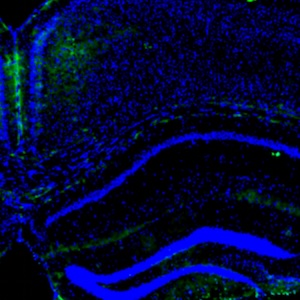
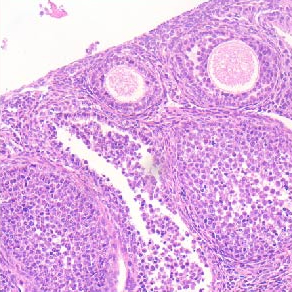
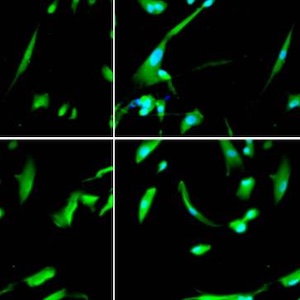
Traditional imaging modalities are routinely complemented by advanced techniques including confocal, multiphoton, superresolution, and light-sheet microscopy. These platforms have been enhanced by the Airyscan detection, STED, PALM, and STORM, to overcome the diffraction limit and enable nanoscale imaging1. Specific applications for this presentation includes: (i) visualization of cytoskeletal and functional organization in human, mouse, and zebrafish embryos and gametes,and human stem cells; (ii) structural imaging of whole organs such as the liver and kidney; and (iii) whole-organism imaging in zebrafish larvae and mouse fetuses, with particular emphasis on the methodologies employed to prepare and visualize such samples. Imaging depth and signal fidelity have been improved through the implementation of adaptive optics and wavefront shaping. The integration of microscopic imaging with optogenetics, biosensors, and machine learning approaches has occurred2. High-throughput imaging workflows have been empowered by AIdriven image reconstruction. Label-free techniques as Raman spectroscopy and digital holographic microscopy have broadened imaging capabilities by offering minimally invasive contrast. Illustrative examples that will be presented would include the application of biosensors and optogenetic tools for functional imaging in neural tissues, the integration of deep learning algorithms with high-resolution imaging for analysis of murine organs, and the tracking of colon and breast cancer cells using label-free modalities that bridge histopathology and radiology, to improve diagnosis and therapy. Emerging perspectives -as the miniaturization of imaging platforms, hybridization with spectroscopy and nanotechnology, incorporation of cloud-based automated systems- will be introduced as novel approaches to shape the future of biomedical imaging.
Downloads
Citations




Supporting Agencies
-Data Availability Statement
OAHow to Cite

This work is licensed under a Creative Commons Attribution-NonCommercial 4.0 International License.