ASTROCYTE DYSFUNCTION IN AUTOSOMAL DOMINANT LEUKODYSTROPHY (ADLD): INSIGHTS FROM 2D AND 3D IN VITRO SYSTEMS AND EX VIVO CEREBROSPINAL FLUID METABOLOMICS
F.D. Koufi1, V. Righi2, A. Mucci3, I. Rusciano1, S. Mongiorgi1, M. Shin4, Y. Kosodo4, I. Cani5, P. Cortelli6, E. Giorgio7, G. Ramazzotti1, L. Manzoli1, S. Ratti1 | 1 Cellular Signaling Laboratory, Anatomy Center, Department of Biomedical and Neuromotor Sciences (DIBINEM), University of Bologna, Bologna, Italy; 2Department of Life Quality Studies, University of Bologna, Campus of Rimini, Rimini, Italy; 3Department of Geological and Chemical Sciences, University of Modena and Reggio Emilia, Modena, Italy; 4Korea Brain Research Institute (KBRI), Daegu, Republic of Korea; 5Department of Biomedical and Neuromotor Sciences (DIBINEM), University of Bologna, Bologna, Italy; 6IRCCS Istituto delle Scienze Neurologiche di Bologna, Bologna, Italy; 7Department of Molecular Medicine, University of Pavia, Pavia, Italy; Medical Genetics Unit, IRCCS Mondino Foundation, Pavia, Italy.
All claims expressed in this article are solely those of the authors and do not necessarily represent those of their affiliated organizations, or those of the publisher, the editors and the reviewers. Any product that may be evaluated in this article or claim that may be made by its manufacturer is not guaranteed or endorsed by the publisher.
Authors
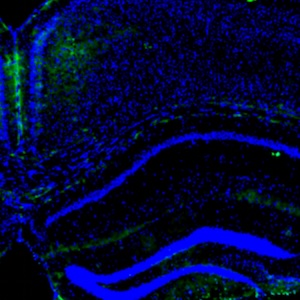
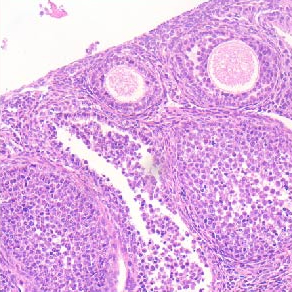
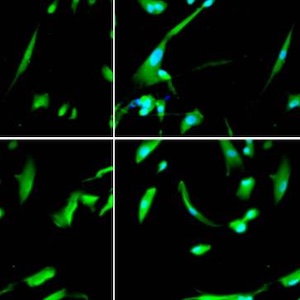
Autosomal Dominant Leukodystrophy (ADLD) is a rare, fatal neurodegenerative disorder caused by LMNB1 gene overexpression, leading to progressive central nervous system demyelination with no effective therapy. While oligodendrocytes are responsible for myelination, increasing evidence suggests that astrocytes play a crucial role in ADLD1,2. Astrocytes from ADLD patients and LMNB1-overexpressing cells exhibit nuclear alterations, inflammatory activation, and oxidative stress, absent in oligodendrocytes. This study investigated astrocyte dysfunction in ADLD through two complementary approaches. First, human astrocytes (HA) overexpressing LMNB1 were analyzed for inflammatory cytokines and myelination support. Immunocytochemical analysis revealed nuclear localization of NFAT4 and NF-κB, suggesting astrocyte activation, while secretome analysis with proteome arrays confirmed elevated inflammatory cytokines. Transmission electron microscopy of the LMNB1-HA showed anomalous chromatin condensation in ADLD nuclei. When co-cultured with oligodendrocyte precursor cells (OPC) on a 3D microfiber scaffold, confocal microscopy revealed that LMNB1-HA impaired OPC myelin basic protein production, highlighting astrocytes’ crucial role in supporting myelination. Second, patient-derived human induced pluripotent stem cells (hiPSC) were differentiated into astrocytes, revealing nuclear abnormalities. Additionally, astrocytes in ADLD cortical organoids exhibited increased nuclear abnormalities, further indicating astrocyte dysfunction. NMR metabolomics of cerebrospinal fluid from ADLD patients revealed the absence of glutamate and GABA, with glutamine present, along with altered alanine-lactate cycling and absent N-acetylaspartate, suggesting impaired neuronastrocyte interactions and metabolic impairments affecting myelination. These findings highlight astrocytes as key contributors to ADLD pathology, emphasizing their role in inflammation, metabolic dysfunction, and demyelination. Identifying specific biomarkers may enhance diagnostics and guide therapeutic strategies.
Downloads
Citations




Supporting Agencies
-Data Availability Statement
OAHow to Cite

This work is licensed under a Creative Commons Attribution-NonCommercial 4.0 International License.