ON THE WAY TO A NEW MODEL OF NEURODEGENERATION? FIRST EVIDENCE OF THE EXPRESSION OF GATA1 IN THE BRAIN: CORRELATIONS WITH AGING, MITOCHONDRIAL DAMAGE AND SYNUCLEINOPATHY
C. Caturano1, F. E. Bellomi1, F. Arciprete1, V. Velardi1, L. La Barbera2, M. Falchi3, M. Bacioglu4, R. Mancinelli5, M. D’Amelio2, M. Spillantini4, M. Zingariello1, G. Vivacqua1,6 | 1Laboratory of Microscopic and Ultrastructural Anatomy, Campus Biomedico University of Rome, Italy; 2Laboratory of Molecular Neuroscience - Campus Biomedico University of Rome, Italy; 3National Centre for HIV/AIDS Research, Istituto Superior di Sanità, Rome, Italy; 4Department of Clinical Neuroscience, The University of Cambridge, Cambridge, UK; 5Department of Anatomic, Histologic, Forensic Medicine and Locomotor Apparatus Science, Sapienza University of Rome, Italy; 6Department of Clinical Neuroscience, The University of Cambridge, Cambridge, UK
All claims expressed in this article are solely those of the authors and do not necessarily represent those of their affiliated organizations, or those of the publisher, the editors and the reviewers. Any product that may be evaluated in this article or claim that may be made by its manufacturer is not guaranteed or endorsed by the publisher.
Authors
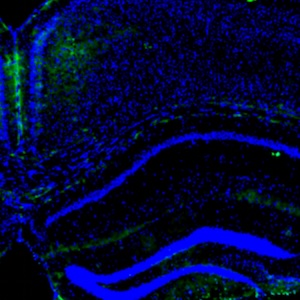
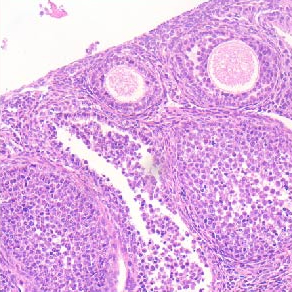
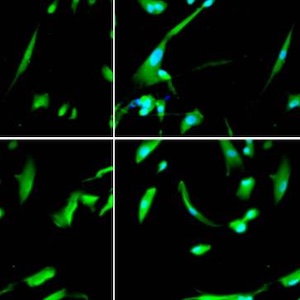
GATA1 is a transcription factor belonging to GATA family and involved in the development and the maturation of the hematopoietic lineage, while there are no clear evidence about the expression of GATA1 in neuronal lineage1. A potential role for GATA1 in synucleinopathies has been suggested, since GATA1 regulates the transcription of SNCA gene, encoding for alphasynuclein (a-syn) in red blood cells. In the present study, we aimed at deciphering the effects of GATA1 hypoexpression on aging, myelination, mitochondrial damage and alpha-synuclein (a-syn) expression in the brain. The study was performed using control mice with CD1 background and a mice model of GATA1low (STOCK GATA1tm2Sho/J)2. Immunohistochemistry, immunofluorescence and RNAscope were used to analyze the expression of GATA1. Beta-glactosidase and mithocondrial specific staining were employed for detecting neuronal aging. Stereological count for different neuronal subtypes was performed in the olfactory bulbs and in the midbrain. Finally, the expression levels of a-syn were analysed by ELISA and the morphological features of GATA1 expressing neurons were visualized by Transmission Electron Microscopy (T.E.M.). Myelin basic protein and Luxol fast blue staining were used for myelination analysis. The brains of CD1 mice were 21% larger in size than those of GATA1low mice. GATA1 is expressed predominantly in the olfactory bulbs. As expected, expression of GATA1 was reduced in GATA1low mice, where GATA1 expressing neurons appeared shrinker and with mitochondrial alterations. Stereological count and ELISA analysis demonstrate alteration in the number of DA neurons and the expression of a-syn in GATA1low mice. Similarly, myelination and beta-galactosidase staining were different in GATA1low mice on respect to CD1 littermate. Our results prove, for the first time, that GATA1 is expressed in the central nervous system. Regulation of SNCA gene and contribution to maturation and survival of neurons request detailed exploration to decipher the role of GATA1 in neurodegeneration.
Downloads
Citations




Supporting Agencies
-Data Availability Statement
OAHow to Cite

This work is licensed under a Creative Commons Attribution-NonCommercial 4.0 International License.