P08 | COMBINED EFFECTS OF NONYLPHENOL AND STEROID HORMONES ON HUMAN PROSTATE CELL LINE
S. Boccia1, A. Mileo2, F. Carrella3, R. Sciarrillo4, A. Capaldo1, M. De Falco5 | 1Dept. of Biology, University Federico II of Naples, Naples, Italy; 2Dept. of Medicine and Health Sciences, University of Molise, Campobasso, Italy; 3Dept. of Science and Technologies, University of Sannio, Benevento, Italy; 4Dept. of Science and Technologies, University of Sannio, Benevento, Italy; 5Dept. of Biology, University Federico II of Naples,; National Institute of Biostructures and Biosystems (INBB), Rome, Italy
All claims expressed in this article are solely those of the authors and do not necessarily represent those of their affiliated organizations, or those of the publisher, the editors and the reviewers. Any product that may be evaluated in this article or claim that may be made by its manufacturer is not guaranteed or endorsed by the publisher.
Authors
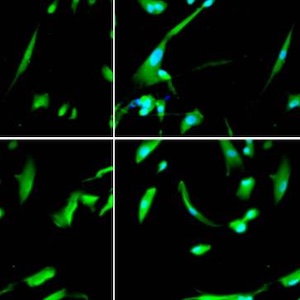
Nonylphenol (NP) is a compound classified as an Endocrine Disrupting Chemical due to its estrogenic activity1. Used in detergents, pesticides, and plastics, NP tends to be accumulated in aquatic environments due to poor degradability2,3. This study assessed NP effects on the non-tumoral human prostate cell line PNT1A, alone and combined with natural hormones 17β-oestradiol (E2) and testosterone (T), to explore potential synergistic or antagonistic interactions. NP alone increased cell viability, confirming its xenoestrogen role likely through Androgen/oestrogenreceptor α (AR/ERα) activation. NP+T and NP+T+E2 further increased viability, suggesting co-activation of ERα and AR pathways. Conversely, NP+E2 reduced proliferation and AR protein levels, indicating antagonism and a potential antiandrogenic effect. All treatments caused a delayed translocation of ERα and AR from cytoplasm to nucleus, possibly due to NP lower receptor affinity versus natural hormones. Migration assays revealed E2 and T promoted migration, while NP and its combinations inhibited it. NP also transiently increased ERα levels, affecting cell’s hormonal sensitivity. To Sum up, NP altered prostate cell homeostasis by disrupting hormone receptor function, influencing viability, migration, and receptor localization, especially when combined with endogenous hormones.
Downloads
Citations




Supporting Agencies
-Data Availability Statement
OAHow to Cite

This work is licensed under a Creative Commons Attribution-NonCommercial 4.0 International License.