P26 | HUMAN CYTOMEGALOVIRUS-DRIVEN ADAPTIVE NK CELLS AND MATRIX METALLOPROTEINASES EXPRESSION AS KEY ELEMENTS IN ATHEROSCLEROTIC PLAQUE DESTABILIZATION
J. Freni1, M. Crescenti2, E. Bertuccio3, A. Fittipaldi1, P. Carrega2, E. Di Carlo4, G. Ferlazzo3, G. Vermiglio1, I. Bonaccorsi2 | 1Department of Biomedical, Dental Sciences and Morphofunctional Imaging, University of Messina, Messina, Italy: 2Department Human Pathology, «G. Barresi», University of Messina, Messina, Italy; 3Department of Experimental Medicine (DIMES), University of Genoa, Genova, Italy; 4Department of Medicine and Sciences of Aging, «G. D’Annunzio» University of Chieti-Pescara, Chieti, Italy
All claims expressed in this article are solely those of the authors and do not necessarily represent those of their affiliated organizations, or those of the publisher, the editors and the reviewers. Any product that may be evaluated in this article or claim that may be made by its manufacturer is not guaranteed or endorsed by the publisher.
Authors
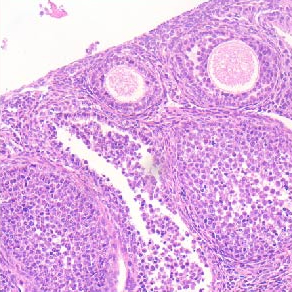
Human Cytomegalovirus (HCMV) infects multiple cell types and can persist in latency post-primary infection. Recent evidence links HCMV with atherosclerosis, as its DNA has been found in atherosclerotic plaques (pq). In some patients (pts), HCMV shapes the Natural Killer (NK) cell compartment toward an adaptive profile, marked by long-term persistence, enhanced antibody dependent cytotoxicity (ADCC), and increased cytokine production, notably IFN-γ. These adaptive NK cells have been associated with pq progression, though their role in pq destabilization remains to be fully understood. This study investigates HCMV’s role in plaque (pq) instability and its impact on NK cell behavior in atherosclerotic microenvironments. We analyzed 64 pts with carotid stenosis, stratified into high-risk (HR) and low-risk (LR) groups. HR pts underwent endarterectomy; blood and plaque samples were analyzed via flow cytometry and immunohistochemistry. Histochemical analysis revealed infiltration of NKp46+ NK cells and CD68+ macrophages in the plaques of HCMV+ HR pts, with HCMV detected within CD68+ cells. Flow cytometry showed enrichment of adaptive FcεR1γ⁻ NK cells expressing the activating receptor NKG2D in HR HCMV+ pts. These cells increased in blood during pq destabilization and accumulated in plaques. NK cells from HR HCMV+ pts showed elevated IFN-γ production via ADCC, which correlated with FcεR1γ⁻ NK cell frequency. Blocking NKG2D reduced IFN-γ release, implying a role in activation. Symptomatic HR HCMV+ pts exhibited strong expression of MMP-9 within CD68+ cells in plaques. MMP-9, involved in extracellular matrix degradation, correlated with FcεR1γ⁻ NK cell frequency, suggesting a link between MMP-9, this NK cell subset, and plaque instability. These results support the hypothesis that the HCMV–NK cell– MMP-9 axis contributes to plaque destabilization and could serve as a predictive marker for pts at high risk of atherosclerotic complications.
Downloads
Citations




Supporting Agencies
-Data Availability Statement
OAHow to Cite

This work is licensed under a Creative Commons Attribution-NonCommercial 4.0 International License.