P34 | ADJUDIN-INDUCED MODEL IN RATS REVEALS HIPPO SIGNALING PATHWAY ACTIVITY IN THE TESTIS
İ. İnanç1, O. Bender2, A. Atalay2, E. Erdemli1 | 1Ankara University, Faculty of Medicine, Department of Histology and Embryology, Ankara, Türkiye; 2Ankara University, Biotechnology Institute, Ankara, Türkiye
All claims expressed in this article are solely those of the authors and do not necessarily represent those of their affiliated organizations, or those of the publisher, the editors and the reviewers. Any product that may be evaluated in this article or claim that may be made by its manufacturer is not guaranteed or endorsed by the publisher.
Authors
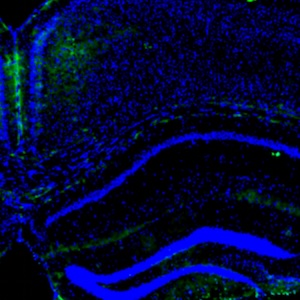
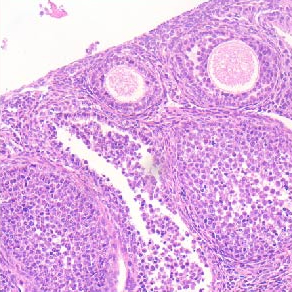
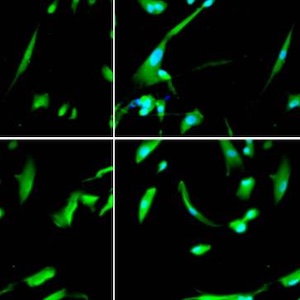
In the seminiferous tubule of mammalian testis, there are various stages of development of germ cells and Sertoli cells. Mitosis, meiosis, proliferation, and differentiation occur in this epithelium. It is known that cytoskeletons and actin-containing proteins are effective during sperm secretion1. The Hippo signaling pathway has been demonstrated to be crucial in many stages where the fate of cells is determined, such as cell division, death or proliferation2. Studies have also shown that the Hippo pathway is highly influenced by actin proteins and cytoskeletons. However, its effect on the testis has not been fully elucidated. For this reason, we created an experimental rat model in which the actin cytoskeleton and actin-associated proteins are affected by adjudin to perform the sperm secretion model. The control(untreated), sham control (methylcellulose-treated only), and experimental (methylcellulose and adjudin-treated) groups were established. At 0, 6, 12,24 and 96 h, the testis samples were collected and evaluated in terms of the Hippo signaling pathway via immunohistochemistry, Western blotting, and RT-qPCR methods. At the same time, actin cytoskeleton (labeled with FITC phalloidin) and actin-associated proteins (Arp3, EPS8) were also evaluated. The control and sham control groups showed similar characteristics in each hour period. However, differences began to be observed in the experimental group at the 6th hour. Especially at the 96th hour, it was clear that actin distribution and Hippo pathway components yes-associated protein (YAP) and phosphoYAP had declined in the experimental group (p<0.05). In conclusion, Hippo signaling appears to play a key role in the timedependent changes of the actin cytoskeleton in the seminiferous tubules under the influence of adjudin.
Downloads
Citations




Supporting Agencies
-Data Availability Statement
OAHow to Cite

This work is licensed under a Creative Commons Attribution-NonCommercial 4.0 International License.