P41 | INVOLVEMENT OF THE DOLPHIN’S MELON IN IMMUNE FUNCTION
G.P. Lombardo1, A. Miller2, L. Spiccia1, V. Natale1, F. Pellicanò1, G. Squadrito1, E. R. Lauriano1 | 1Department of Chemical, Biological, Pharmaceutical, and Environmental Sciences, University of Messina, Messina; 2Department of Veterinary Sciences, University of Messina, Messina, Italy
All claims expressed in this article are solely those of the authors and do not necessarily represent those of their affiliated organizations, or those of the publisher, the editors and the reviewers. Any product that may be evaluated in this article or claim that may be made by its manufacturer is not guaranteed or endorsed by the publisher.
Authors
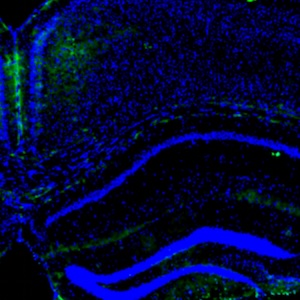
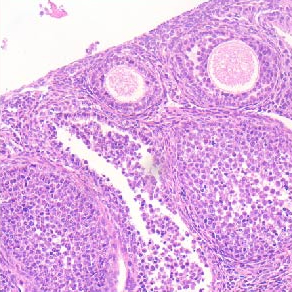
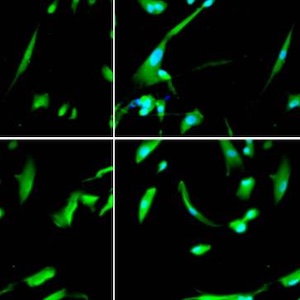
The striped dolphin (Stenella coeruleoalba) is a small pelagic dolphin. The melon, present in most odontocetes, is a rounded structure located in the center of the forehead, between the blowhole and the tip of the head. The dolphin’s melon, as well as the blubber, consists of a lipid component similar to that of adipose tissue, with large, rounded cells closely related to each other and a muscular component. The melon primarily plays a role in echolocation, but this organ can also be involved in immune function. Numerous studies demonstrate the accumulation of contaminants such as heavy metals in the fatty tissues of cetaceans (melon and blubber), altering the immune system and stimulating an inflammatory response. This study aims to describe the involvement of S. coeruleoalba melon in immune function. Histological samples of the melon of S. coeruleoalba, preserved in the histology archive of our laboratory, were used in this study. To describe the morphology of this organ, the sections of the tissue, were stained with Giemsa, Masson, and Mallory staining techniques. Immunoperoxidase and immunofluorescence techniques using specific antibodies such as MHCII, Langerin/CD 207, TLR2, and CD14 were used to characterize, for the first time, melon immune cells. The results showed scattered immune cells among melon adipocytes immunoreactive to the tested antibodies; macrophages are the principal immune cells infiltrating adipose tissue, and their function is to secrete proinflammatory mediators. Furthermore, the adipocytes themselves appear to be labelled with the antibodies used. This study demonstrates the involvement of the dolphin melon in immune function and helps us better understand the immune system of cetaceans, still little known. Furthermore, it could also demonstrate that non-invasive monitoring of blubbers from highly protected species can provide valuable information regarding their health status and exposure to contaminants.
Downloads
Citations




Supporting Agencies
-Data Availability Statement
OAHow to Cite

This work is licensed under a Creative Commons Attribution-NonCommercial 4.0 International License.