P47 | ASSESSMENT OF THE ANTI-INFLAMMATORY AND ANTIFIBROTIC EFFECTS OF HUMAN AMNIOTIC EPITHELIAL CELLS AFTER THEIR INTRATRACHEAL ADMINISTRATION IN A MOUSE MODEL OF BLEOMYCIN-INDUCED PULMONARY FIBROSIS
E. Kolanko, A. Mazurski, A. Prusek, E. Bogunia, M. Hermyt, P. Czekaj | Department of Cytophysiology, Medical University of Silesia, Katowice, Poland
All claims expressed in this article are solely those of the authors and do not necessarily represent those of their affiliated organizations, or those of the publisher, the editors and the reviewers. Any product that may be evaluated in this article or claim that may be made by its manufacturer is not guaranteed or endorsed by the publisher.
Authors
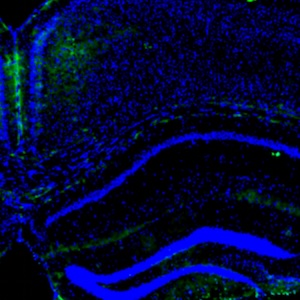
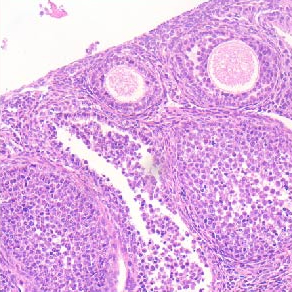
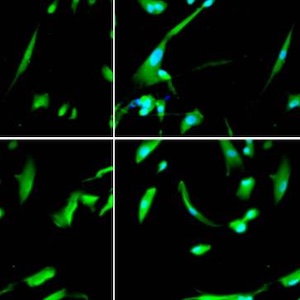
Lung fibrosis (LF) is a natural healing process of lung tissue under physiological conditions. However, in pathological states, it can progress uncontrollably, leading to irreversible scarring and structural remodeling. Current pharmacological treatment of progressive LF primarily aims to slow down the progression of the disease, without reversing existing damage. Stem cells and their derivatives, such as conditioning media or exosomes, have become promising supplements or alternatives to traditional drug therapies. Human amniotic epithelial cells (hAECs) are known for their immunomodulatory and anti-fibrotic properties, making them a promising population of stem cells for clinical applications1,2. In this study, the therapeutic potential of hAECs administered via intratracheal injection was evaluated in a mouse model of bleomycin-induced LF. hAECs showed high expression of epithelial (CK 95%) and pluripotency markers (SSEA4 88%), as well as HLAG (79%), with a low proportion of the mesenchymal marker CD105 (7%). In 10-week-old male C57BL/6 mice, a dose of 10 mg/kg intratracheal injection of bleomycin caused persistent inflammation up to day 7 and significant fibrosis by day 21, achieving 6/8 points on the Ashcroft scale3. A single administration of 1 million hAECs into the trachea caused a significant reduction in inflammatory areas after 7 days. The degree of reduction of fibrous areas compared to daily treatment with Pirfenidone has also been assessed. The results support further research on hAECs as a potential cell therapy in fibrotic lung diseases.
This work was supported by SUM Katowice grants no.: BNW-2-061/ N/5/9, BNW-1-041/N/3/I and BNW-1-007/K/4/I, and FE SL Grant no. 0094/2025.
Downloads
Citations




Supporting Agencies
-Data Availability Statement
OAHow to Cite

This work is licensed under a Creative Commons Attribution-NonCommercial 4.0 International License.