P48 | NEW STRATEGIES TO IMPROVE THE RESPONSE OF AML CELLS TO TARGETED THERAPIES BY OVERCOMING THE PROTECTIVE EFFECT OF THE BONE MARROW MESENCHYMAL STEM CELLS
G. Mazzanti1, F. Liccardo2, L. Pace1, M. Marcotulli3, L. Lafrate3, G. Cidonio3, T. Ottone4, S. Travaglini4, M.T. Voso4, V. Fulci5, M. Sampaolesi1, F. Fazi1, S. Masciarelli1 | 1Department of Anatomical, Histological, Forensic Medicine and Orthopedics Sciences and Medical Embryology, Section of Histology Sapienza University of Rome, Rome, Italy; 2Centre de Recherches en Cancérologie de Toulouse, Inserm/ U1037, Université de Toulouse, Toulouse, France; 3Department of Mechanical and Aerospace Engineering, Sapienza University of Rome, Rome, Italy; 4Department of Biomedicine and Prevention, University of Tor Vergata, Rome, Italy; 5Department of Molecular Medicine, Sapienza, University of Rome, Rome, Italy
All claims expressed in this article are solely those of the authors and do not necessarily represent those of their affiliated organizations, or those of the publisher, the editors and the reviewers. Any product that may be evaluated in this article or claim that may be made by its manufacturer is not guaranteed or endorsed by the publisher.
Authors
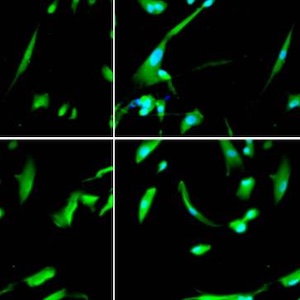
Drug resistance and relapses are significant issues for the success of targeted therapies for acute myeloid leukemia (AML), rendering the rate of cure unsatisfying. This is primarily due to clonal selection and the protective effect of the bone marrow microenvironment (BM)1. Accordingly, we demonstrated that BM mesenchymal stem cells (MSCs) protect AML cells from the Azacytidine + Venetoclax (AV) treatment (an established standard of care for AML patients2) as well as from a strategy that we previously developed, inducing proteotoxic and oxidative stress using Retinoic acid, Bortezomib and Arsenic trioxide (RBA)3. Thus, we added the Bcl-2 inhibitor Venetoclax to the combination RBA (RV) to treat AML cells in mono or co-culture with MSCs in 2D and 3D models. We assessed that the combination RV overcomes the MSCs protection and significantly prolongs the life span of a murine model of human AML. To study the mechanisms underlying the crosstalk between AML and MSCs, we analyzed the morphology of the MSCs after treatment of co-cultures with AV and RV by immunofluorescence analysis and live-cell imaging. Furthermore, we performed proteomic analysis, revealing the involvement of molecular pathways related to extracellular matrix reorganization, highlighting a possible role of the actin cytoskeleton in this protective crosstalk.
Downloads
Citations




Supporting Agencies
-Data Availability Statement
OAHow to Cite

This work is licensed under a Creative Commons Attribution-NonCommercial 4.0 International License.