P59 | IMMUNOHISTOCHEMISTRY ANALYSIS TO DETECT A MOLECULAR SIGNATURE IN INTERVERTEBRAL DISC DEGENERATION
L. Penolazzi1, R. Nadalini1, C. Sief1, E. Lambertini2, C. Angelini3, R. Piva1 | 1Department of Neurosciences and rehabilitation, University of Ferrara, Italy; 2Laboratorio Centralizzato di ricerca preclinica, University of Ferrara, Italy; 3Department of Translational Medicine, University of Ferrara, Italy
All claims expressed in this article are solely those of the authors and do not necessarily represent those of their affiliated organizations, or those of the publisher, the editors and the reviewers. Any product that may be evaluated in this article or claim that may be made by its manufacturer is not guaranteed or endorsed by the publisher.
Authors
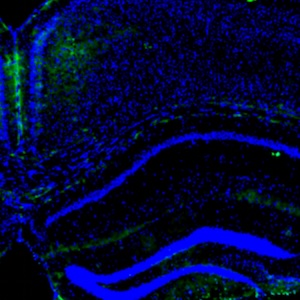
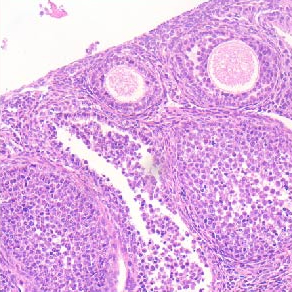
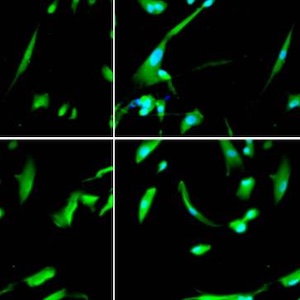
Intervertebral disc degeneration (IDD) is known as a primary contributor to low back pain, a debilitating condition which is the leading cause of disability worldwide. Traditionally, its evaluation is based exclusively on clinical parameters including MRI. Evidence to date shows that patients with similar radiological findings may have significantly different prognoses, suggesting that additional factors influence the outcome of IDD. These factors may include genetic predisposition, lifestyle, comorbidities1, and the role of “protein sensors” whose expression and activity can promote cell protection. To try to resolve this discrepancy and understand the variability in disease progression and response to treatment, research is focusing on patient-specific biomarkers and risk factors. With this in mind, we conducted a study on IVD biopsies from 40 patients with mild IVD degeneration (Pfirrmann grade III) undergoing discectomy, in order to identify a molecular signature correlating with clinical parameters. Immunohisto-chemistry focused on the expression of specific proteins belonging to different potentially informative signaling: the transcription factors FOXO3a, HIF1α, BRY, the enzyme superoxide dismutase-2, and the glucose transporter GLUT1. Cross-sectional analysis showed that all these proteins may be considered stable biomarkers of IDD. However, no significant differences in their expression were found based on sex, age, smoking status, BMI, duration of symptoms prior to surgery, inflammatory cell density or surgical site. Post-surgical follow-up (n=24) showed healing in 75% of cases, although 62.5% had inflammation and 25% relapses: this means that the IVD cannot be said to be fully healed from a cellular and molecular point of view, due to associated pathobiological changes, causing recurrent symptoms. Consistently, no statistically significant differences were observed in the expression of the proteins under investigation. Our approach to biomarker discovery is just beginning and requires examining other pathways and enlarging the group of patients also comparing different grades of disease.
Downloads
Citations




Supporting Agencies
-Data Availability Statement
OAHow to Cite

This work is licensed under a Creative Commons Attribution-NonCommercial 4.0 International License.