P66 | FROM INNERVATION TO STEROIDOGENIC DEFECT: IMPLICATIONS OF CGRP IN THE PATHOPHYSIOLOGY OF POLYCYSTIC OVARY SYNDROME
L. Sallicandro1, R. Gentile2, B. Filová3, S. Polakovičová3, A. Biagini1, F. Ballarino4, D. Del Bianco4, I. Varga5, A. Malvasi6, B. Fioretti2 | 1Department of Medicine and Surgery, University of Perugia, Perugia, Italy; 2Department of Chemistry, Biology and Biotechnologies, University of Perugia, Italy; 3Department of Histology and Embriology, Comenius University, Bratislava, Slovakia; 4Department of Chemistry, Biology and Biotechnologies, University of Perugia, Italy; 5Department of Histology and Embriology, Comenius University, Bratislava, Slovakia; 6Department of Biomedical Sciences and Human Oncology, Obstetrics and Gynecology Unit, University of Bari Aldo Moro, Bari, Italy
All claims expressed in this article are solely those of the authors and do not necessarily represent those of their affiliated organizations, or those of the publisher, the editors and the reviewers. Any product that may be evaluated in this article or claim that may be made by its manufacturer is not guaranteed or endorsed by the publisher.
Authors
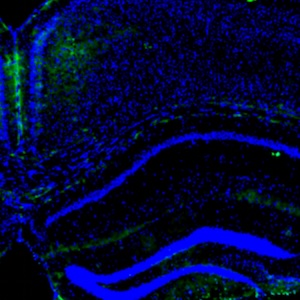
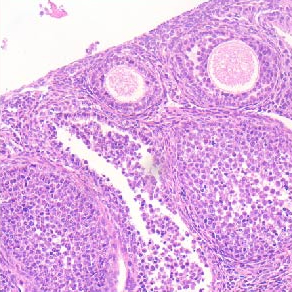
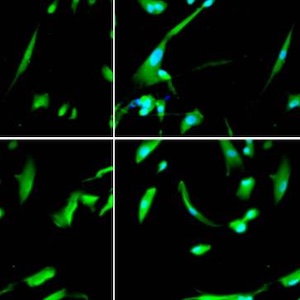
Polycystic ovary syndrome (PCOS) is a multifactorial endocrine disorder affecting up to 20% of women of reproductive age. It is characterized by hyperandrogenism, menstrual irregularities, anovulation, and metabolic disturbances, including insulin resistance and increased cardiometabolic risk1. Although its pathogenesis remains unclear, recent studies suggest a potential role for neuropeptides in modulating ovarian function2. This study aims to investigate the presence of calcitonin gene related peptide (CGRP), a 37-amino-acid neuropeptide involved in vasodilation, nociceptive signaling, and modulation of the inflammatory response3, within the ovary and follicular fluid of women with PCOS. CGRP levels were quantified in follicular fluid from PCOS (n=27) and non-PCOS (n=27) women, showing significantly higher concentrations in the PCOS group (p<0.05). Immunohistochemistry analyses revealed intense CGRP immunoreactivity surrounding preantral follicles in PCOS ovaries, particularly around the theca cell layer. In contrast, non-PCOS samples exhibited weaker CGRP expression. This differential pattern suggests a possible involvement of CGRP in early follicular development. The altered follicular microenvironment in PCOS may permit the accumulation of small neuropeptides like CGRP, which could exert autocrine/paracrine effects on follicular cells, influencing both development and steroidogenesis4. To further investigate this hypothesis, we assessed the effects of CGRP on cell viability, mitochondrial and steroidogenic activity in primary h-GCs. These findings suggest that CGRP may contribute to the dysregulation of follicular development observed in PCOS. A better understanding of its role could offer new insights for the development of targeted therapies aimed at restoring ovarian function in affected women.
Downloads
Citations




Supporting Agencies
-Data Availability Statement
OAHow to Cite

This work is licensed under a Creative Commons Attribution-NonCommercial 4.0 International License.