P71 | THE EXTRACELLULAR VESICLE POPULATIONS UNDERWENT ALTERATIONS SUBSEQUENT TO THE PRETREATMENT OF ADIPOSE-DERIVED STEM CELLS WITH MELATONIN RECEPTOR AGONIST
B. Sikora, K. Pogoda-Mieszczak, E. Bogunia, A. Skubis-Sikora, P. Czekaj | Department of Cytophysiology, Faculty of Medical Sciences in Katowice, Medical University of Silesia in Katowice, Poland
All claims expressed in this article are solely those of the authors and do not necessarily represent those of their affiliated organizations, or those of the publisher, the editors and the reviewers. Any product that may be evaluated in this article or claim that may be made by its manufacturer is not guaranteed or endorsed by the publisher.
Authors
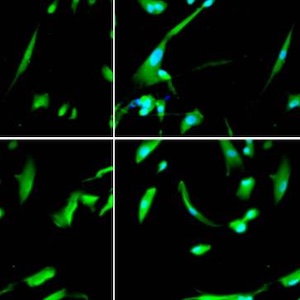
Melatonin, a neurohormone primarily involved in the regulation of circadian rhythms, exerts its physiological effects through MT1 and MT2 receptors expressed in various tissues, including adipose derived stem cells (ADSCs). Beyond its role in sleep-wake regulation, melatonin possesses anti-inflammatory, antioxidative, and potential anticancer properties, prompting growing interest in its influence on stem cell behavior. ADSCs are known to exert therapeutic effects largely via paracrine signaling, particularly through the secretion of extracellular vesicles (EVs) -membrane bound carriers that transport proteins, lipids, and nucleic acids to target cells. Recent attention has focused on modulating EV release and composition to enhance their therapeutic utility. While melatonin’s effect on ADSC viability and differentiation has been explored, its impact on EV production remains poorly defined. In this context, the use of tasimelteon, a selective melatonin receptor agonist, offers a novel approach to modulating melatonin receptor mediated pathways in ADSCs. This study investigates how pretreatment with tasimelteon alters the characteristics of EV populations secreted by ADSCs, providing new insight into the potential application of melatonin receptor modulation in optimizing cell-free regenerative therapies. ADSC were evaluated by trilineage differentiation assay and flow cytometry. The cell culture was conducted in DMEM with 10% of exosome-depleted FBS and 1% of antibiotics. ADSC-EVs were isolated from freshly collected conditioned medium from ADSC culture at logarithmic phase of growth, after 48 h of incubation by differential centrifugation or ion exchange chromatography. Cells were treated with melatonin, tesimelteon, a melatonin receptor antagonist – luzindole or combined. The control groups were untreated cells. The EV characteristics were assessed with nanoparticle tracking analysis, bead-based cytometry, Western blot, scanning electron microscopy, transmission electron microscopy and qPCR. Results suggest that melatonin receptor-mediated pathways in ADSCs might play a crucial role in EV development.
Downloads
Citations




Supporting Agencies
-Data Availability Statement
OAHow to Cite

This work is licensed under a Creative Commons Attribution-NonCommercial 4.0 International License.