P77 | MEMBRANE SKELETAL PROTEIN, MEMBRANE PALMITOYLATED PROTEIN 6 (MPP6), IN MOUSE CEREBRAL SYNAPSES
N. Terada1, Y. Saitoh2, S. Motofuji3, A. Kamijo4, T. Suzuki5, T. Yoshizawa6, T. Sakamoto7, K. Kametani8 | 1Health Science Division, Shinshu University Graduate School of Medicine, Science and Technology, Japan; 2Center for Medical Education, Teikyo University of Science, Japan; 3Division of Biosciences, Teikyo University of Science Graduate School of Science & Engineering, Japan; 4Division of Basic & Clinical Medicine, Nagano College of Nursing, Japan; 5Department of Molecular and Cellular Physiology, Shinshu University Academic Assembly Institute of Medicine, Japan; 6Division of Animal Research, Research Center for Advanced Science and Technology, Shinshu University, Japan; 7Department of Cancer Biology, Institute of Biomedical Science, Kansai Medical University, Japan; 8Health Science Division, Shinshu University Graduate School of Medicine, Science and Technology, Japan
All claims expressed in this article are solely those of the authors and do not necessarily represent those of their affiliated organizations, or those of the publisher, the editors and the reviewers. Any product that may be evaluated in this article or claim that may be made by its manufacturer is not guaranteed or endorsed by the publisher.
Authors
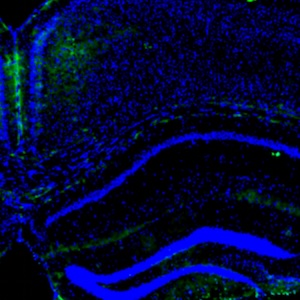
A membrane skeletal protein, membrane palmitoylated protein 6 (MPP6) that interacts with protein 4.1G in PNS, is also expressed in the CNS. In this study, we investigated the localization of MPP6 and its associated protein complexes in the mouse cerebrum, as well as its effects on behaviour using MPP6 protein-deficient (KO) mice. MPP6 was detected in mouse cerebral lysates and synaptic membrane fractions, where it formed protein complexes with other MPP family members, including MPP1, MPP2, and a signal protein calcium/calmodulin-dependent serine protein kinase (CASK). However, the amounts of these complexes did not differ between KO and wild-type (WT) mice. Immunohistochemistry revealed that MPP6 was localized at synapses throughout the cerebrum, particularly in the postsynaptic regions. Ultrastructural analysis showed that synaptic cleft distances and postsynaptic density thickness were slightly reduced in KO mice compared to WT mice. In the elevated plus-maze test, a KO mouse exhibited unusual behaviour not observed in WT mice, although there was no statistically significant difference in the time spent in the open and closed arms between the two groups. Locomotor activity measurements revealed that KO mice were more active at midnight and less active from morning to noon than WT mice, implying alterations in sleep-wake regulation. These findings suggest that MPP6 plays a role in synaptic function by forming protein complexes with other MPP family members and signal proteins.
Downloads
Citations




Supporting Agencies
-Data Availability Statement
OAHow to Cite

This work is licensed under a Creative Commons Attribution-NonCommercial 4.0 International License.