
WHOLE-BRAIN CATECHOLAMINERGIC CONNECTOMICS IN ALZHEIMER’S DISEASE
Bellomi FE1, Loffredo G2, Petrocchi F1, Ullman NS1, Caturano C1, Cauzzi E2, Cognini F3, Mittoni F4, LaBarbera L2, Soda P5, D’Amelio M2 and Vivacqua G1 | 1Microscopic and Ultrastructural Anatomy Laboratory, Campus Bio-medico University of Rome, Rome, Italy; 2Molecular Neuroscience Laboratory, Campus Bio-medico University of Rome, Rome, Italy; 3Carl Zeiss S.p.A., Milan, Italy; 4Interconsulting services, RINA Services S.p.A., Rome, Italy; 5Department of Bio-engineering, Campus Bio-medico University of Rome, Rome, Italy
All claims expressed in this article are solely those of the authors and do not necessarily represent those of their affiliated organizations, or those of the publisher, the editors and the reviewers. Any product that may be evaluated in this article or claim that may be made by its manufacturer is not guaranteed or endorsed by the publisher.
Authors
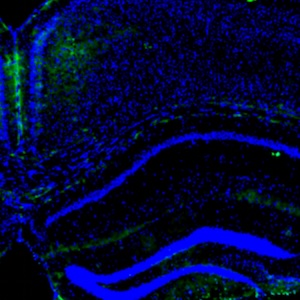
Increasing evidence indicates that catecholaminergic degeneration, especially in the ventral tegmental area (VTA) and locus coeruleus (LC), precedes classical Alzheimer’s disease (AD) pathology, a finding confirmed by structural and functional imaging in patient cohorts with amnestic MCI and AD. Given the central role of these nuclei in shaping motivation, arousal and memory, we developed a dedicated pipeline to reconstruct the catecholaminergic connectome at the whole-brain level. Tg2576 mice overexpressing human APP695 with the Swedish mutation were employed. Brains were cleared, immunolabeled for tyrosine hydroxylase (TH), and imaged using volumetric light-sheet microscopy. Tiles were stitched with BigStitcher, and Arivis Pro U-Net models segmented soma, axon hillocks, dendrites, and nuclei. 3D reconstruction and automated tracing were performed with Vaa3D APP2. Reconstructions were registered to the Allen Brain Atlas. NetworkX was used for data analysis, and in MATLAB the physiological laws of CNS impulse transmission were applied to the networks to perform simulations. The pipeline generated a whole-brain catecholaminergic connectomic model for Tg2576 and controls. A decrease in TH+ neuron counts was observed in both VTA and LC, leading to marked denervation of the hippocampus, amygdala, medial prefrontal cortex, and the entire limbic lobe. Alterations were also noted within and in between catecholaminergic nuclei, with changes in their intrinsic functional circuit units, modifications of dendritic arborizations, and a reduction in reverberant circuits that normally sustain continuous output activity. conclusions: This represents the first connectomic model of catecholaminergic architecture in both healthy and AD brains. TH+ fibers normally synapse onto GABAergic neurons; their denervation drives excitotoxicity and degeneration in target areas. These alterations may underlie prodromal psychiatric symptoms and, through hippocampal and cortical denervation, may be the cause of pathological alterations and subsequent cognitive decline.
Downloads
Citations




How to Cite

This work is licensed under a Creative Commons Attribution-NonCommercial 4.0 International License.