P11 | DOMINO TRANSPLANTATION IN MNGIE: IS THE LIVER A SUITABLE GRAFT?
E. Boschetti1, I. Neri1, S. Blando1, C. Malagelada2, L. Caporali3, R. D’Angelo4, R. Rinaldi4, S. Mongiorgi1, V. Carelli3, R. De Giorgio5, L. Manzoli1, S. Ratti1 | 1Center of Clinical Surgical Molecular and Experimental Anatomy Alma Mater Studiorum – University of Bologna, Italy; 2Digestive System Research Unit, University Hospital Vall d’Hebron; Barcelona, Spain; 3IRCCS Istituto delle Scienze Neurologiche di Bologna, Bologna, Italy; 4IRCCS Azienda Ospedaliero-Universitaria di Bologna, Bologna, Italy; 5Department of Translational Medicine, University of Ferrara, Ferrara, Italy
All claims expressed in this article are solely those of the authors and do not necessarily represent those of their affiliated organizations, or those of the publisher, the editors and the reviewers. Any product that may be evaluated in this article or claim that may be made by its manufacturer is not guaranteed or endorsed by the publisher.
Authors
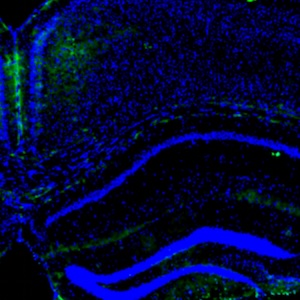
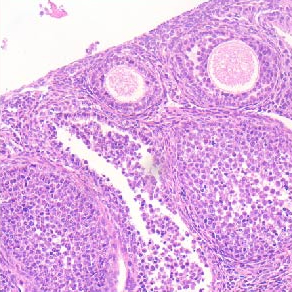
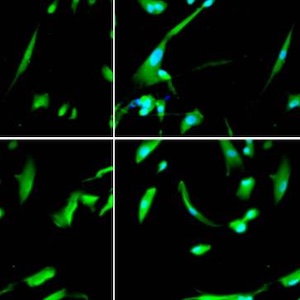
Mitochondrial neurogastrointestinal encephalomyopathy (MNGIE) is a rare, fatal disorder caused by TYMP mutations leading to toxic nucleoside accumulation and mitochondrial DNA (mtDNA) damage. Liver transplantation, which restores thymidine phosphorylase activity, is a life-saving treatment. As the liver has not been considered a primary target of the disease, explanted MNGIE livers have been proposed for domino liver transplantation. To fully characterize the liver in MNGIE patients at different disease stages and assess its suitability for domino donation. Liver biopsies from 9 MNGIE patients and 7 controls (age and sex matched) were analysed. FFPE sections were used to evaluate tissue architecture, fibrosis, hypoxia, immune activation, and mtDNA depletion. Snap-frozen tissues underwent metabolomic (NMR), proteomic (mass spectrometry), and transcriptomic (RNAseq) profiling. Spatial transcriptomic on gut tissue was used to test gut liver axis. COX-SDH staining and HIF-1α expression revealed a hypoxic liver environment in MNGIE. Glucose and glycogen metabolism were upregulated. Lipid metabolism was reprogrammed, with steatosis correlating with ATP citrate synthase upregulation. Fibrosis and septa formation involved activation of NFκB, SERPINE family, CXCL8 and MYC pathways. Vascular and biliary alterations were linked to increased VEGF expression. Microdissection showed progressive mtDNA depletion in hepatocytes and portal areas. Immune infiltration was detected in the tissue and activation were in line with multi-omics analyses. Cytoarchitectural and molecular findings reveal a stepwise progression that parallels disease staging, supporting a model of gradual and cumulative organ deterioration. Additional spatial transcriptomics in matched gut tissues suggested impaired gut– liver axis and possible bacterial translocation. Our findings demonstrate that the liver is a progressively affected target organ in MNGIE. This raises critical concerns about the use of explanted MNGIE livers in domino transplantation and warrants careful ethical and clinical consideration.
Downloads
Citations




Supporting Agencies
-Data Availability Statement
OAHow to Cite

This work is licensed under a Creative Commons Attribution-NonCommercial 4.0 International License.