P49 | DEVELOPMENT OF AN INJECTABLE AND SELFASSEMBLING SCAFFOLD FOR THE DIRECT DELIVERY OF CARDIAC EXTRACELLULAR MATRIX AND CARDIAC PROGENITOR CELLS
A. Menini1, V. Romano1, A. M. Sacco1, D. Nurzynska2, G. Ricci3, C. Amarelli4, C. Castaldo1, F. Di Meglio1 | 1Department of Public Health, University of Naples «Federico II», Naples, Italy; 2Department of Medicine, Surgery and Dentistry, University of Salerno, Baronissi; 3Department of Experimental Medicine, University of Campania «Luigi Vanvitelli», Naples, Italy; 4Department of Cardiac Surgery and Transplants, Monaldi Hospital, Naples, Italy
All claims expressed in this article are solely those of the authors and do not necessarily represent those of their affiliated organizations, or those of the publisher, the editors and the reviewers. Any product that may be evaluated in this article or claim that may be made by its manufacturer is not guaranteed or endorsed by the publisher.
Authors
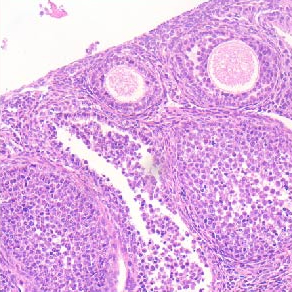
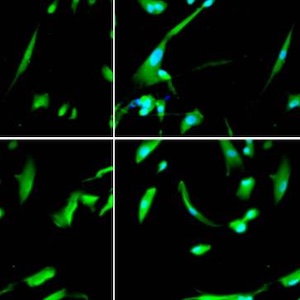
Injectable biomaterials offer an attractive alternative for cardiac tissue engineering due to the ability to polymerize at 37°C and the possibility of being administrated directly in situ, via minimally invasive procedures. As a physiological component of the blood clot, which implies biocompatibility, biodegradability and ability to incorporate cells and bioactive molecules, fibrin has been exploited as an injectable biomaterial. The aim of the present study was to develop a bioconstruct for myocardial regeneration based on a biological, injectable and self-assembling scaffold loaded with cardiac decellularized extracellular matrix (d-ECM) and cardiac progenitor cells (CPCs). Human cardiac samples were obtained from waste material of cardiac transplants. To isolate CPCs, samples were minced and enzymatically digested, while cardiac dECM was obtained by decellularization in a solution of SDS and Triton. Successful decellularization was demonstrated by the absence of nuclei in hematoxylin and eosin staining and a residual dsDNA content of 3.5±0.5 ng/mg of dry tissue. To prepare bioconstructs thrombin was added to a mixture of fibrinogen, CPCs (3x10⁶/100 µL) and lyophilized and solubilized d-ECM, with a fibrin to matrix ratio of 1:1. After 3 days of culture, bioconstructs were analyzed to evaluate 3D architecture and cell viability. Histological analyses including hematoxylin and eosin, Mallory’s, PAS and Sirius Red stainings, and immunofluorescence for fibronectin, laminin, tenascin and collagen revealed the uniform d-ECM incorporation and homogenous cell distribution within bioconstructs. Trypan Blue exclusion and CellTiter-Glo luminescence assays proved that over 90% of CPCs were viable while gene expression analyses for cardiac myocyte markers (ACTC1, CX43, CX40, NKX2.5, MYH7, MEF2C, TBX3, TBX5, ITGB1) revealed that they also remained functionally active. Overall, our results support the suitability of fibrin as biomaterial for direct delivery of cells and physiological cardiac signals in a self-assembling bioconstruct to stimulate cardiac repair and regeneration.
Downloads
Citations




Supporting Agencies
-Data Availability Statement
OAHow to Cite

This work is licensed under a Creative Commons Attribution-NonCommercial 4.0 International License.