P51 | DECELLULARIZATION OF HUMAN LUNG SCAFFOLD FOR TUMOR MICROENVIRONMENT MODELLING STUDY
A. Mileo1, S. Boccia2, E. Del Genio1, R. Pastore1, M. De Falco3, I. Belviso4 | 1Dept. of Medicine and Health Sciences, University of Molise, Campobasso, Italy; 2Dept. of Biology, University of Naples Federico II, Naples, Italy; 3Dept. of Biology, University of Naples Federico II, Naples, Italy; National Institute of Biostructures and Biosystems (INBB), Rome, Italy; 4Dept. of Wellness, Nutrition and Sport, Telematic University Pegaso, Naples, Italy
All claims expressed in this article are solely those of the authors and do not necessarily represent those of their affiliated organizations, or those of the publisher, the editors and the reviewers. Any product that may be evaluated in this article or claim that may be made by its manufacturer is not guaranteed or endorsed by the publisher.
Authors
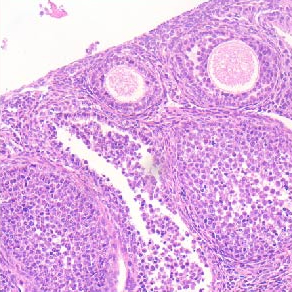
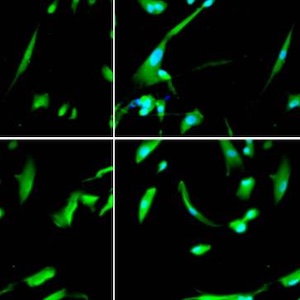
Decellularized extracellular matrix (d-ECM) is a promising biological scaffold for in vitro cancer research, due to its ability to replicate the native microenvironment and maintain key biomechanical properties1. An effective decellularization process must remove all cellular material while preserving the ECM’s structure and composition2. Human tissue-derived d-ECM offers relevant biochemical and structural cues, making it valuable for disease modelling3. In this study, we developed an in vitro model to investigate the pulmonary metastatic microenvironment induced by breast cancer. Human lung biopsies from pathological donors were snap-frozen, sectioned at 100 μm, and decellularized using 1% SDS and 1% Triton X-100 for 24 h. To prevent contamination, decellularized scaffolds were treated with an antibiotic-antimycotic solution and sterilized with UV light. H&E staining confirmed successful cell removal while maintaining ECM integrity. The lung-derived d-ECM was reseeded with normal human lung fibroblasts, recreating a native-like microenvironment. Human lung fibroblasts were then stimulated with breast cancer conditioned medium to study how stromal cells remodel the ECM and support tumor invasion. This model offers a reliable platform to explore cell–matrix interactions and the stromal role in cancer progression, providing new insights for preclinical oncology research.
Downloads
Citations




Supporting Agencies
-Data Availability Statement
OAHow to Cite

This work is licensed under a Creative Commons Attribution-NonCommercial 4.0 International License.