P52 | MORPHOLOGICAL AND IMMUNOHISTOCHEMICAL EVALUATION OF THE ANTI-INFLAMMATORY AND ANTIOXIDANT PROPERTIES OF HEMP EXTRACTS ON THE LIVER OF RATS INVOLVED IN INFLAMMATION CAUSED BY LPS
A. Miller1, M. Kotanska2, M. Bednarski2, G.P. Lombardo3, V. Natale3, G. Pirracchio3, L. Spiccia3, S. Pergolizzi3, G. Rizzo4, E.R. Lauriano3 | 1Department of Veterinary Sciences, University of Messina, Messina, Italy; 2Department of Pharmacological Screening, Jagiellonian University Medical College, Kraków, Poland: 3Department of Chemical, Biological, Pharmaceutical, and Environmental Sciences, University of Messina, Messina, Italy; 4Department of Clinical and Experimental Medicine, University of Messina, Italy
All claims expressed in this article are solely those of the authors and do not necessarily represent those of their affiliated organizations, or those of the publisher, the editors and the reviewers. Any product that may be evaluated in this article or claim that may be made by its manufacturer is not guaranteed or endorsed by the publisher.
Authors
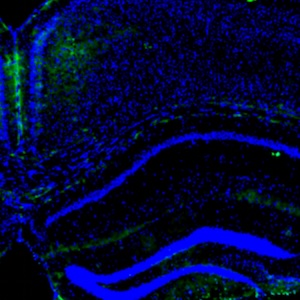
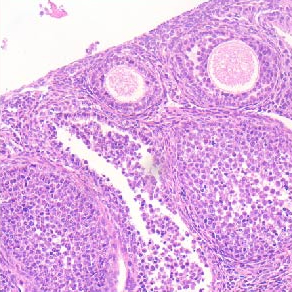
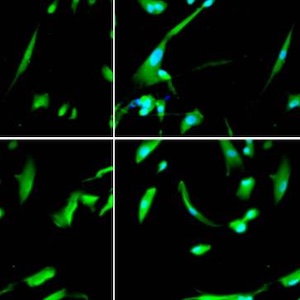
The liver of mice has a lobular arrangement based on the distributions of portal regions and central venules, like the general histological structure of other mammalian species1. Bacterial endotoxin lipopolysaccharide (LPS) influences inflammatory mediator levels and contributes to developing a systemic inflammatory response, which can lead to liver damage. Cannabis sativa L. is an aromatic annual herb belonging to the Cannabaceae family, and it is widely cultivated around the world. Several studies show different pharmacological properties, such as antioxidant, anti-inflammatory, antimicrobial, neuroprotective, anxiolytic, and anticonvulsant activity of hemp2,3. This study aims to characterise mouse liver immune cells involved in inflammation caused by lipopolysaccharide (LPS) and how inflammation responds to treatment with aqueous extracts from two by-products of the hemp-seed oil process, namely hemp seed cake flour and hemp seed protein concentrate, as well as their enzymatic hydrolysates. In this study, immune hepatic cells have been characterized with the following antibodies: Toll-like receptor 4 (TLR4), TNFα, and IL-64. Immunoistochemical results showed a significant difference between control, LPS-infected, and hemptreated samples. Macrophages were positive for these antibodies in the samples obtained from the inflamed mouse liver, especially in the region between the portal space and the central vein. In control samples and samples treated with aqueous hemp extracts, instead, there is an extremely small number of antibody-positive cells, which means that the extracts contributed to a reduction in inflammation. In conclusion, this preliminary study shows the antiinflammatory and antioxidant effects of industrial hemp.
Downloads
Citations




Supporting Agencies
-Data Availability Statement
OAHow to Cite

This work is licensed under a Creative Commons Attribution-NonCommercial 4.0 International License.