P56 | HISTOLOGICAL PROFILE OF INACTIVE UNILATERAL CONDYLAR HYPERPLASIA: EVIDENCE OF BORDERLINE TISSUE ACTIVITY
F. Nicita1, G. Vermiglio1, J. Freni1, A. Centofanti1, D. Labellarte1, R. Briganti1, G.P. Anastasi1, G. Cutroneo1, A. Favaloro1, M. Runci Anastasi2 | 1Department of Biomedical, Dental Sciences and Morphofunctional Imaging, University of Messina, Messina, Italy; 2Department of Maxillo-Facial Surgery, University of Rome, La Sapienza, Italy
All claims expressed in this article are solely those of the authors and do not necessarily represent those of their affiliated organizations, or those of the publisher, the editors and the reviewers. Any product that may be evaluated in this article or claim that may be made by its manufacturer is not guaranteed or endorsed by the publisher.
Authors
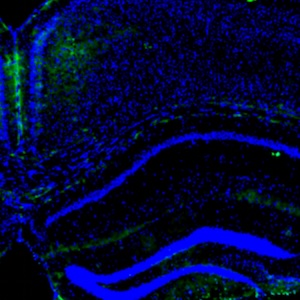
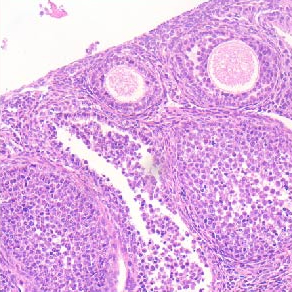
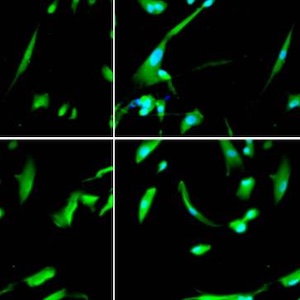
Unilateral condylar hyperplasia (UCH) is a rare condition affecting mandibular symmetry and temporomandibular joint function1. While “active” UCH is marked by ongoing growth and histological changes, the “inactive” form is traditionally considered stable and without evident metabolic activity2. However, few studies have addressed its microscopic features. In this study, we analysed 15 condylar specimens from patients diagnosed with inactive UCH via SPECT/CT, using quantitative criteria3. Samples were examined through hematoxylin and eosin, Masson’s Trichrome staining, and immunofluorescence for Collagen I/II, MMP-2, MMP-9, RANK, and Osteocalcin. Histologically, we observed thickened hypertrophic cartilage layers and irregular cartilage–bone interfaces, including downward expansions of chondrocytes into bone tissue. Immunofluorescence showed moderate to intense expression of collagen type II, MMP-2, and osteocalcin, as well as RANK-positive osteoclasts near the cartilage–bone border. These findings are consistent with prior microstructural characterizations of condylar tissue remodeling. Our results suggest that, despite being classified as inactive, residual biological activity persists in condylar tissues. This “borderline” state may predispose to reactivation or indicate a slow-progressing pathology.
Downloads
Citations




Supporting Agencies
-Data Availability Statement
OAHow to Cite

This work is licensed under a Creative Commons Attribution-NonCommercial 4.0 International License.