P75 | MICROBIOTA-GUT-BRAIN AXIS IN AN AUTISM SPECTRUM DISORDER ANIMAL MODEL
F. Sulas1, G. Cominelli1, G. Favero1,2, D. Pinto2,3, F. Rinaldi2,3, R. Rezzani1,2,4 | 1Anatomy and Physiopathology Division, Department of Clinical and Experimental Sciences, University of Brescia, Brescia, Italy; 2Interdepartmental University Center of Research Adaption and Regeneration of Tissues and Organs (ARTO), University of Brescia, Brescia, Italy; 3Human Microbiome Advanced Project Institute, Milan, Italy; 4Italian Society for the Study of Orofacial Pain (Società Italiana Studio Dolore Orofacciale - SISDO), Brescia, Italy
All claims expressed in this article are solely those of the authors and do not necessarily represent those of their affiliated organizations, or those of the publisher, the editors and the reviewers. Any product that may be evaluated in this article or claim that may be made by its manufacturer is not guaranteed or endorsed by the publisher.
Authors
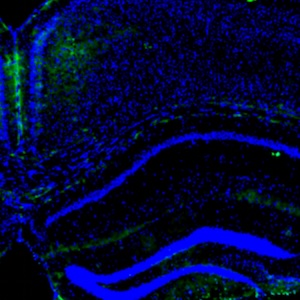
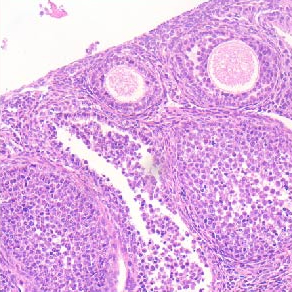
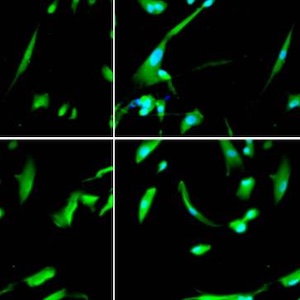
Autism spectrum disorder (ASD) primarily affects the brain, but it can also promote gastrointestinal damage and gut microbiota alterations (leaky gut). There is increasing evidence that supports the interaction between gut microbiota and brain development and function, contributing to define the concept of the “microbiota-gutbrain axis”1-3. The absence of gut microbiota in germ-free rodents is associated with structural alterations of tight junctions (TJs) in the blood-brain barrier, characterized by decreased expression of TJ proteins. Alterations in the TJs also result in increased permeability compared to mice with healthy microbiota4-6. This study aimed to evaluate the morphology of the intestinal barrier and the mechanisms contributing to leaky gut in BTBR T+Itpr3tf/J mice, an animal model of ASD, treated orally with 10 mg/kg/day of melatonin (MLT) for 16 weeks. MLT is found in various fruits and vegetables at different concentrations, and its presence alongside other polyphenols may contribute to improved global health7. Together with morphological analyses, we evaluated the expression of TJ proteins in the small intestine using immunohistochemistry. Morphological analysis showed that the mucosal tunica of BTBR mice presented longer intestinal villi, which altered intestinal permeability and microbiota composition. MLT significantly reduced the villi length in BTBR mice and appeared to modulate TJs expression, potentially decreasing leaky gut. These findings suggest an involvement of the microbiota-gutbrain axis in ASD and support a simil-therapeutic potential of MLT in limiting ASD symptoms through its multitasking properties8,9.
Downloads
Citations




Supporting Agencies
-Data Availability Statement
OAHow to Cite

This work is licensed under a Creative Commons Attribution-NonCommercial 4.0 International License.