P83 | INFLAMMATORY PROFILE IN SKIN, LUNG, AND KIDNEY OF A HOCL-INDUCED MURINE MODEL OF SYSTEMIC SCLEROSIS: AN IMMUNOHISTOCHEMICAL STUDY
G. Vermiglio1, J. Freni1, F. Nicita1, A. Centofanti1, D. Labellarte1, E. Rizzuto1, A. Favaloro1, M. Runci Anastasi2, G.P. Anastasi1, G. Cutroneo1 | 1Department of Biomedical, Dental Sciences and Morphofunctional Imaging, University of Messina, Messina, Italy; 2Department of Maxillo-Facial Surgery, University of Rome, La Sapienza, Italy
All claims expressed in this article are solely those of the authors and do not necessarily represent those of their affiliated organizations, or those of the publisher, the editors and the reviewers. Any product that may be evaluated in this article or claim that may be made by its manufacturer is not guaranteed or endorsed by the publisher.
Authors
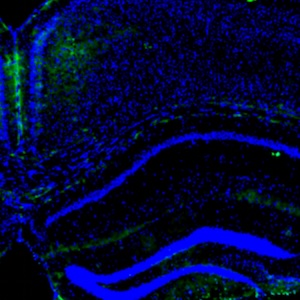
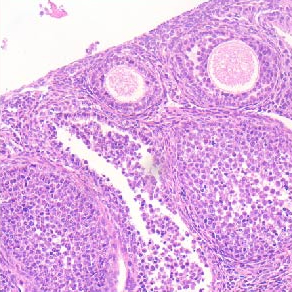
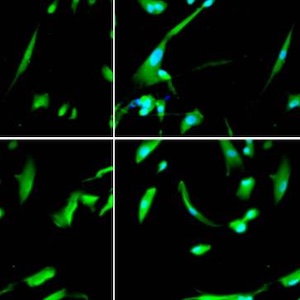
Systemic sclerosis (SSc) is a complex autoimmune disease characterized by widespread microvascular damage, inflammation, and fibrosis1,2. While inflammation is a recognized early event in disease pathogenesis, its distribution and intensity across different organs remain incompletely understood. This study investigates the inflammatory signature in skin, lung, and kidney of a murine model of SSc induced by daily subcutaneous injections of hypochlorous acid (HOCl) for six weeks. Tissue samples were collected and processed for histology (Hematoxylin and Eosin) and immunohistochemistry. We focused on macrophage infiltration (CD68, F4/80) and activation of the inflammasome pathway (NLRP3, Caspase-1, IL-1β). The skin displayed intense perivascular and interstitial infiltration by macrophages, along with marked NLRP3 and IL-1β expression. In the lung, inflammatory cells accumulated around bronchi and vessels, with strong upregulation of inflammasome markers. The kidney showed both glomerular and interstitial immune activation, suggesting early involvement despite minimal fibrotic remodeling.Our findings demonstrate a widespread activation of innate immune responses, particularly the NLRP3 inflammasome, in cutaneous and visceral tissues of SSc mice. These results highlight the key role of inflammation in systemic sclerosis and reinforce the importance of organ-specific histochemical profiling in understanding disease mechanisms and guiding therapeutic strategies.
Downloads
Citations




Supporting Agencies
-Data Availability Statement
OAHow to Cite

This work is licensed under a Creative Commons Attribution-NonCommercial 4.0 International License.