
HOW DO THE CYTOSKELETON AND ITS BINDING PARTNERS CONTRIBUTE TO THE ESTABLISHMENT OF THE BRAIN MORPHOLOGY AND ITS FUNCTION?
Sato M1,2,3 | 1Department of Anatomy and Neuroscience, Graduate School of Medicine, The University of Osaka, Japan; 2Molecular Brain Sciences, Department of Child Development, United Graduate School of Child Development-Osaka University, Kanazawa University, Hamamatsu University of Medicine, Chiba University and University of Fukui (UGSCD), The University of Osaka, Japan; 3Department of Neurosciences Rita Levi Montalcini, University of Turin, Italy
All claims expressed in this article are solely those of the authors and do not necessarily represent those of their affiliated organizations, or those of the publisher, the editors and the reviewers. Any product that may be evaluated in this article or claim that may be made by its manufacturer is not guaranteed or endorsed by the publisher.
Authors
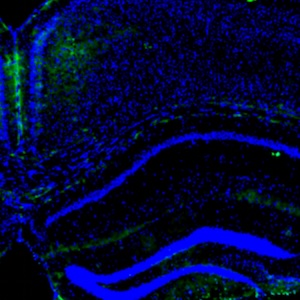
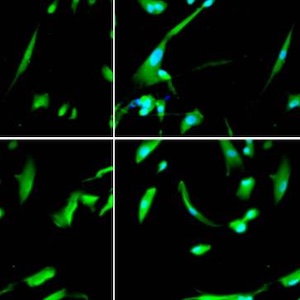
With the ultimate goal of elucidating the brain mechanisms underlying intelligence, I have been tackling this question by investigating the mechanisms that underlie the formation of brain structures during development. Cell migration and completion of neurotransmission are crucial events that support the development. Because the cytoskeleton is essential for these processes, I have been studying these themes from a cytoskeletal perspective. Periventricular nodular heterotopia is a genetic disorder characterized by the presence of a second cortex (a cluster of neurons) around the ventricles, known as a double cortex. One of the characteristics of this disorder is intractable epilepsy. This disease is believed to be caused by mutations in the actin-binding protein filamin A, which is located on the X chromosome. It has been suggested that filamin A plays a crucial role in cell migration from the ventricular region during cortical development. We have identified and are currently studying a novel molecule, FILIP (filamin A-interacting protein), which promotes the degradation of filamin A. Recently, mutations in FILIP (FILIP1 in humans) have been reported to cause arthrogryposis multiplex congenita, intellectual disability, and encephalocele in humans (FILIP1 disease). At first, I will introduce our research on FILIP and its regulatory factors. Next, we will present our data on how other cytoskeletal molecules contribute to brain development and maturation. On the other hand, when we look at neural circuits, we notice that function and circuit formation are intricately intertwined to enable the brain to function. From this perspective, we have also taken an approach to unravel cells and their associated circuits that are specific to higher animals. We will cite examples of such research and introduce our current approach.
Downloads
Citations




How to Cite

This work is licensed under a Creative Commons Attribution-NonCommercial 4.0 International License.