
PRENATAL N-ACETYL-CYSTEINE PREVENTS NEURONAL, EMOTIONAL AND METABOLIC IMPAIRMENTS IN AN ANIMAL MODEL OF ADVERSE EXPERIENCES
Cirulli F | Center for Behavioural Sciences and Mental Health, Istituto Superiore di Sanità, Rome, Italy
All claims expressed in this article are solely those of the authors and do not necessarily represent those of their affiliated organizations, or those of the publisher, the editors and the reviewers. Any product that may be evaluated in this article or claim that may be made by its manufacturer is not guaranteed or endorsed by the publisher.
Authors
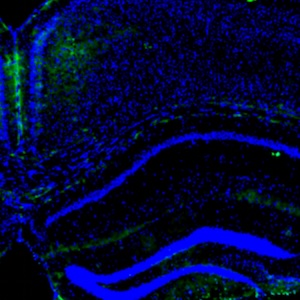
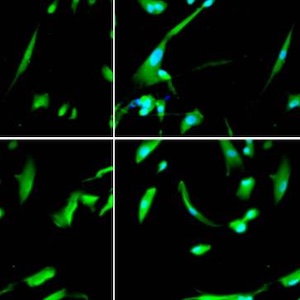
Adverse maternal conditions during pregnancy increase the risk of neuropsychiatric disorders in the offspring, although the underlying mechanisms remain poorly understood. We have shown that two distinct maternal insults – prenatal stress (PNS) and a high-fat diet (mHFD) – elevate inflammation and oxidative stress in the brains of adolescent female mice. Building on these findings, we focused on mHFD. We demonstrated that its consumption during pregnancy increases maternal oxidative stress and circulating corticosterone levels while reducing the activity of placental 11β- hydroxysteroid dehydrogenase type 2 (11β-HSD-2). This impairment compromises the placental barrier, exposing the fetus to dysregulated levels of glucocorticoids that are detrimental to brain development. In adulthood, offspring exposed to mHFD in utero displayed long-term negative effects on emotional, neuroendocrine, and metabolic phenotypes. We next investigated whether restoring maternal redox balance through antioxidant treatment with N-acetyl-cysteine (NAC) could mitigate these effects. Maternal NAC administration prevented anxiety-like behaviors in offspring and rescued hippocampal expression of brain-derived neurotrophic factor (BDNF), a key regulator of neuronal plasticity. In vitro experiments confirmed that NAC counteracts the negative effects of glucocorticoids on neuronal plasticity via a BDNF-mediated mechanism. Specifically, inhibition of the TrkB signaling pathway abolished NAC’s restorative effects on neuronal morphology, including maximal dendritic length, primary dendrite number, and soma area – supporting in vivo observations. Together, these findings highlight a critical role of oxidative stress in fetal brain vulnerability to maternal high-fat diet and suggest that rebalancing redox status may be a promising strategy to protect neurodevelopment under early adverse conditions.
Downloads
Citations




How to Cite

This work is licensed under a Creative Commons Attribution-NonCommercial 4.0 International License.