
VGF AS BIOMARKER OF PRE-SYMPTOMATIC PHASE OF PARKINSON’S DISEASE
Manai AL1, Modi A2, Noli B1, Choudhary SM2, Ruda-Kucerova J3, Dražanová E3,4, Khairnar A2,5, Cocco C1 | 1Department of Biomedical Sciences, University of Cagliari, Monserrato, Italy; 2International Clinical Research Center, St. Anne’s University Hospital Brno, Czech Republic; 3Department of Pharmacology, Faculty of Medicine, Masaryk University, Brno, Czech Republic; 4Institute of Scientific Instruments of the CAS, v. v. i., Brno, Czech Republic; 5Department of Physiology, Faculty of Medicine, Masaryk University, Brno, Czech Republic
All claims expressed in this article are solely those of the authors and do not necessarily represent those of their affiliated organizations, or those of the publisher, the editors and the reviewers. Any product that may be evaluated in this article or claim that may be made by its manufacturer is not guaranteed or endorsed by the publisher.
Authors
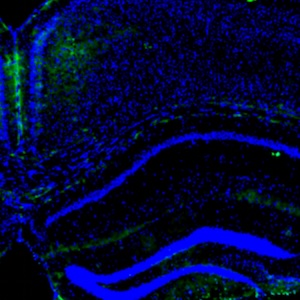
Parkinson’s disease (PD) is a progressive neurodegenerative disorder whose early detection remains a major challenge. The Vgf gene, encoding the VGF neuroprotein, has been implicated in PD, with previous studies reporting reduced GF C-terminal peptide levels in the plasma of drug-naïve PD patients and in the substantia nigra (SN) of advanced PD models. However, similar studies, are lacking in progressive mouse models of PD. In this study, we developed a progressive and early PD mouse model using intranasal rotenone administration, based on the hypothesis that PD pathology begins in the olfactory bulb (OB) and progresses to the midbrain over time (Braak’s hypothesis). This study aimed to validate VGF C-terminal peptide levels as presymptomatic biomarkers of PD. Male BALB/c mice were divided into three cohorts based on the time of rotenone treatment, i.e., at 2, 3, and 6 months. Behavioral tests included the butyric acid avoidance to assess olfactory dysfunction and inverted grid and pole tests to assess motor impairment. At each time point, the mice were sacrificed, and brain and plasma were collected for q-PCR, immunohistochemistry (IHC) and ELISA. The total RNA was extracted from the isolated OB to perform q-PCR for the following genes: Vgf, Th (tyrosine hydroxylase), and Snca (synuclein alpha) while IHC was performed in OB and SN for TH, alpha-synuclein, and VGF C-terminal peptides. VGF C-terminal levels were measured using ELISA in plasma and OB extracted samples. Behavioral study showed significant olfactory deficits starting from 3-month time point and was persistent throughout the study, whereas motor impairments appeared only after 6 months of rotenone treatment. At 3 months, concurrent with olfactory deficits, using the OB samples, the VGF C-terminus levels were significantly reduced along with the increased immunoreactivity for alpha-synuclein, and decrease of TH. Same results for alpha-synuclein, TH and VGF were observed in the SN along with a decrease for VGF C-terminus levels in plasma. All these changes persisted even after 6 months, at which point gene alterations were observed for the first time. Indeed, the q-PCR results at 6 months showed increased Snca and decreased Th expression in the rotenone treated mice OB while Vgf mRNA levels remained unchanged in all brain regions suggesting a post-translational VGF changes. In conclusion, a role of VGF C-terminal peptides as a potential biomarker of pre-symptomatic PD is suggested.
Downloads
Citations




How to Cite

This work is licensed under a Creative Commons Attribution-NonCommercial 4.0 International License.