
THE ROLE OF RETINAL mTOR IN RETINAL DEGENERATION
Lazzeri G1, Lenzi P1, Ferrucci M1, Biagioni F2, Busceti CL2, Giambelluca M1, Puglisi-Allegra S2 and Fornai F1,2 | 1Department of Translational Research and New Technologies in Medicine and Surgery, University of Pisa; 2IRCCS, Neuromed, Pozzilli, Italy
All claims expressed in this article are solely those of the authors and do not necessarily represent those of their affiliated organizations, or those of the publisher, the editors and the reviewers. Any product that may be evaluated in this article or claim that may be made by its manufacturer is not guaranteed or endorsed by the publisher.
Authors
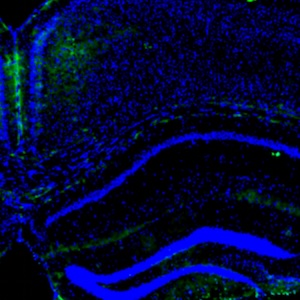
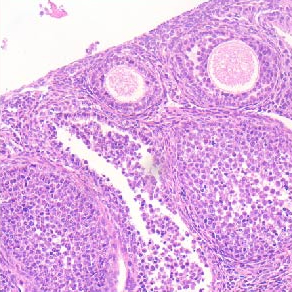
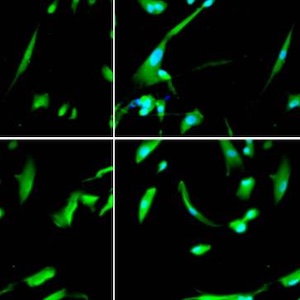
Retinal neurons are highly susceptible to oxidative stress produced by light-derived reactive oxygen species (ROS) and the metabolic demand generated by photo-transduction. This mostly occurs within retinal pigment epithelium (RPE), which sustains the metabolism of photo-transduction, and removes oxidized proteins, lipids and sugars from the outer segment of photoreceptors. Thus, RPE critically depends on mitochondrial turnover and removal of oxidized species by effective lysosomes. The present study, provides light and ultrastructural evidence about mTOR-dependency of retinal integrity with an emphasis on RPE cells. The mTOR activator 3-MA generates cell loss, which is prevented by the classic mTOR inhibitor rapamycin or the phytochemical curcumin, which possesses strong mTOR inhibiting effects. The loss of cell viability is associated with deficient mitochondrial turnover and accumulation of lipid droplets and glycogen granules. In these conditions typical proteins which form gap junctions (ZO1, occludin, RPE65) are suppressed and their low expression is confined to the perinuclear zone. This is relevant considering the role of these proteins in fostering the blood-retina barrier, endocytosis of photoreceptors, and phenotype of RPE. Moreover, the loss of these proteins, along with a damage to RPE cells and photoreceptors is a hallmark of early stages of age-related macular degeneration (AMD). Degeneration of RPE occurs early in AMD and further progresses towards inner retina involving bipolar, amacrine and ganglion cells. Inhibition of mTOR within RPE is critical to prevent the onset of degenerative changes. In this way, subsequent alterations such as the epithelial-mesenchymal transition, which mature later in AMD, is counteracted by mTOR suppression. Retinal protection induced by mTOR inhibition is concomitant with beclin1 expression. This may occur either as a consequence of pro-autophagy effects of mTOR inhibition or/and non-canonical autophagy-dependent effects of beclin1 activity. Retinal mTOR modulation appears a promising target to counteract retinal degeneration by preventing mitochondrial damage, lipid and glycogen accumulation.
Downloads
Citations




How to Cite

This work is licensed under a Creative Commons Attribution-NonCommercial 4.0 International License.