
STANDARDIZING LIGHT SHEET IMAGING AND 3D IMAGE ANALYSIS FOR WHOLE BRAIN VASCULAR NET QUANTIFICATION
Zanella L1, Moretti M1, Quadalti C2, Giardino L1,3,4, Calzà L2,3,4, Baldassarro VA1,4 and Lorenzini L1,4 | 1Department of Veterinary Medical Science, University of Bologna, Ozzano dell’Emilia, Bologna, Italy; 2Department of Pharmacy and Biotechnology, University of Bologna, Bologna, Italy; 3IRET Foundation, Ozzano dell’Emilia, Bologna, Italy; 4Interdepartmental Centre for Industrial Research in Health Sciences and Technology ICIR-HST, University of Bologna, Ozzano dell’Emilia, Bologna, Italy
All claims expressed in this article are solely those of the authors and do not necessarily represent those of their affiliated organizations, or those of the publisher, the editors and the reviewers. Any product that may be evaluated in this article or claim that may be made by its manufacturer is not guaranteed or endorsed by the publisher.
Authors
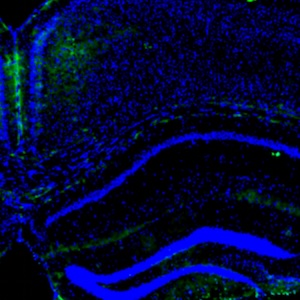
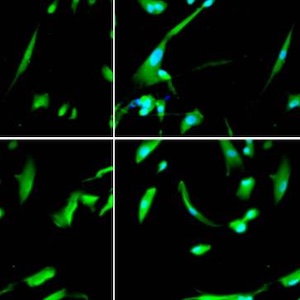
Neuronal function relies on a complex network of blood vessels that deliver oxygen and nutrients essential for metabolism. However, our understanding of the intricate capillary network allowing substance and metabolite exchange remains incomplete. While structural cerebral vasculature and molecular analyses hold promise for offering crucial insights into cerebral circulation and cerebrovascular diseases, technical limitations make difficult to obtain detailed 3D structural information on vascular networks, from large vessels to capillaries. Light sheet microscopy (LSM) coupled with tissue clarification, high calculation power and computer vision algorithms, has emerged as a powerful tool in neuroscience research, offering unique advantages for imaging biological large samples at cellular resolution. Despite the vast potential, the pivotal challenge lies in achieving reliable quantitative imaging. To tackle this challenge, we addressed three methodological hurdles: to optimize antibody-stained section imaging employing non-toxic clearing protocols, to set-up quantitative measure using young-C57BL/6 brain tissues, and to test the quantification pipeline on extremely challenging samples, comparing old- C57BL/6 and old-TG2576 mice (a model of Alzheimer’s disease) brain vasculature. To optimize the vessel visualization, we set-up two different stainings in young-C57BL/6 mice: anti-CD31 VioB515 immunostaining and perfusion with dextran-FITC. We used the clearing protocol of Miltenyi MACS® Clearing Kit and Miltenyi UltraMicroscope Blaze™ for imaging, while Miltenyi stitcher software was used for large areas sampling. Three-dimensional, voxel-based images were analyzed using IMARIS software (v. 9.6.2; Oxford Instruments), by the «surface» algorithms to construct the 3D vascular network. We translated the acquisition and 3D reconstruction protocol designed on young-C57BL/6 tissues modifying the algorithm to optimize the analysis on extremely challenging samples: old-derived brains from WT and TG2576 animals. The protocol included a fine study of the fluorescence intensity curve in each sample and experimental group and a mathematic- based approach to correct the inter- and intra-experiment differences. While LSM offers great advantages in imaging large volumes of tissue with high resolution and minimal photobleaching, standardized and optimized protocols for clearing, imaging, and post-processing analysis are a crucial step toward the use LSM for image quantification.
Downloads
Citations




How to Cite

This work is licensed under a Creative Commons Attribution-NonCommercial 4.0 International License.