
INSIGHTS INTO THE EVOLUTION OF DOPAMINERGIC CONTROL OF REPRODUCTION: THE BRAIN-PITUITARY-GONADAL AXIS OF THE SMALL-SPOTTED CATSHARK SCYLIORHINUS CANICULA
Porceddu R1,2, Mulas G1, Porcu C1 and Follesa MC1,2 | 1Sezione di Biologia Animale ed Ecologia, Dipartimento di Scienze della Vita e dell’Ambiente, Università degli Studi di Cagliari, Cagliari, Italy; 2CoNISMa Consorzio Nazionale Interuniversitario per le Scienze Mare, Rome, Italy
All claims expressed in this article are solely those of the authors and do not necessarily represent those of their affiliated organizations, or those of the publisher, the editors and the reviewers. Any product that may be evaluated in this article or claim that may be made by its manufacturer is not guaranteed or endorsed by the publisher.
Authors
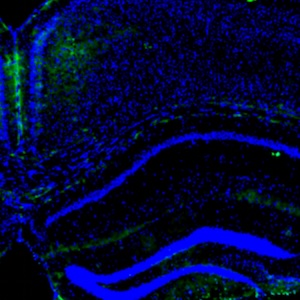
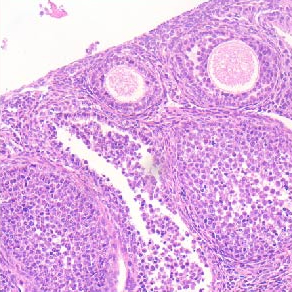
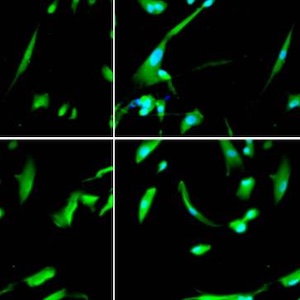
In all vertebrates, reproduction is controlled by the brain–pituitary- gonadal (BPG) axis, which integrates environmental cues such as photoperiod and temperature with neural and gonadal functions to regulate gametogenesis and gamete maturation. This axis has become a key topic in conservation biology for its relevance to species adaptability and ecosystem health, consistent with the “One Health” concept. Despite its importance, the mechanisms underlying BPG axis regulation remain largely unclear across vertebrate lineages. In cartilaginous fishes, the neuroendocrine regulation of reproduction through the BPG axis remains poorly explored, although these organisms occupy a pivotal position at the base of the gnathostome evolutionary lineage. The small-spotted catshark, Scyliorhinus canicula, represents a reference model within this group, in which the Gonadotropin-Releasing Hormone, released from specific brain areas, plays a central role in gonadal development and maturation. Our study revealed that in females of S. canicula, the preoptic nucleus contains tyrosine hydroxylase-immunoreactive neurons whose morphometry and abundance vary with sexual maturity, being more numerous in subadult females than in adults. This feature suggests a possible dopaminergic inhibition of the reproductive axis, a role known for other vertebrate groups. Moreover, the presence of dopamine receptors D1 and D2, identified in brain areas associated with the BPG system, supports the potential involvement of dopamine in the neuroendocrine regulation of reproductive activity.
Downloads
Citations




How to Cite

This work is licensed under a Creative Commons Attribution-NonCommercial 4.0 International License.