
NEUROACTIVE STEROIDS PROTECT FROM BORTEZOMIB-INDUCED TOXICITY: EVIDENCE FROM IN VITRO MODELS
Fabbro V1, Tonelli E1,2, Scuteri A1,3, D’Aprile C1, Naghshbandieh A1,2, Lim D4, Distasi C4, Giatti S5 and Meregalli C1 | 1School of Medicine and Surgery, Experimental Neurology Unit and Milan Center for Neuroscience, University of Milano- Bicocca, Monza, Italy; 2University of Milano-Bicocca, PhD Program in Neuroscience, Monza, Italy; 3Milan Center for Neuroscience (NeuroMI); 4University of Piemonte Orientale, Department of Pharmaceutical Sciences, Novara, Italy; 5University of Milan, Department of Pharmacological and Biomolecular Sciences “Rodolfo Paoletti”, Milan, Italy
All claims expressed in this article are solely those of the authors and do not necessarily represent those of their affiliated organizations, or those of the publisher, the editors and the reviewers. Any product that may be evaluated in this article or claim that may be made by its manufacturer is not guaranteed or endorsed by the publisher.
Authors
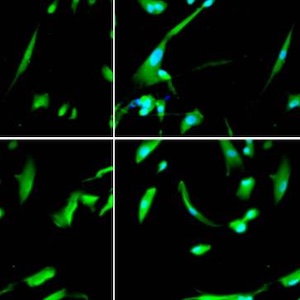
Chemotherapy has significantly improved patient survival but has also increased the incidence of chemotherapy-induced peripheral neuropathy (CIPN), a common side effect that affects the patients’ quality of life and limits treatment efficacy. Among the agents associated with CIPN development, bortezomib (BTZ) - a proteasome inhibitor used in the treatment of multiple myeloma - is known to induce painful peripheral neuropathy (BIPN), for which analgesic options remain limited. Recent evidence suggests that neuroactive steroids (NAS), cholesterol derivatives with already proven beneficial effects towards both the central and the peripheral nervous system, may promote neuroprotection in CIPN models. For our study, we selected a palette of different NAS for screening and dose-finding purposes. First, we tested them (alone and in combination with BTZ) in two different cell lines: F11, a somatic cell hybrid of a rat embryonic dorsal root ganglion (DRG) and mouse neuroblastoma cell line N18TG2, and MSC80, a mouse Schwann cell line. To assess the effects of these treatments, cell viability in F11 and MSC80 cell lines was evaluated via crystal violet assay after 24 h of treatment with BTZ (10 nM) alone or in combination with the respective NAS (100 nM). Based on the results, we selected three NAS for further experiments: pregnenolone (PREG) and dihydroprogesterone (DHP), that partially but significantly prevented BTZ-induced cytotoxicity in F11 and MSC80, respectively, as well as allopregnanolone (ALLO), that was mildly protective in both cellular models. Subsequently, we decided to test the abovementioned combinations (BTZ + PREG/DHP/ALLO) in a more complex in vitro model, using organotypic cultures from embryonic rat DRGs. DRGs from E15 rat embryos were treated with a toxic dose of BTZ (5 nM) for 24 or 48 h. The neurotoxic effect was assessed by measuring neurite length of DRG explants. ALLO and PREG were able to protect from the toxicity induced by BTZ exposure at different degrees in both time points, demonstrating their neuroprotective action, whereas DHP was ineffective at any time point. Taken together, our results highlight PREG and ALLO as promising neuroprotective agents in BIPN in vitro models, paving the way for future experiments aimed at testing their efficacy in BIPN in vivo models as well as addressing their specific mechanism of action in counteracting BTZ-induced toxicity.
This research has received funding from EU in NextGenerationEU plan through the Italian “Bando Prin 2022D.D. 1409 del 14-09- 2022”.
Downloads
Citations




How to Cite

This work is licensed under a Creative Commons Attribution-NonCommercial 4.0 International License.