
UNRAVELING GLIAL REMODELING IN SPACE AND TIME DURING GLIOBLASTOMA EVOLUTION
Riccio L1, De Luca C1, Rega C1, Papa M1 and Virtuoso A1 | 1Laboratory of Neuronal Networks Morphology and System Biology, Department of Mental and Physical Health and Preventive Medicine, University of Campania Luigi Vanvitelli, Naples, Italy
All claims expressed in this article are solely those of the authors and do not necessarily represent those of their affiliated organizations, or those of the publisher, the editors and the reviewers. Any product that may be evaluated in this article or claim that may be made by its manufacturer is not guaranteed or endorsed by the publisher.
Authors
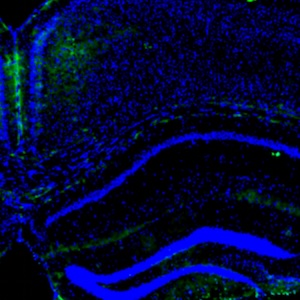
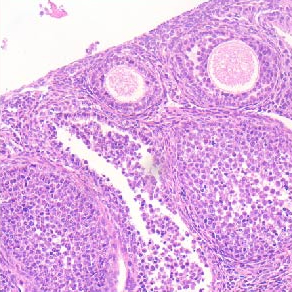
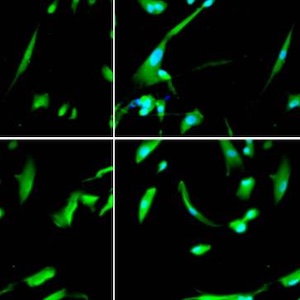
Glioblastoma (GBM) is the most aggressive primary malignant tumor of the central nervous system (CNS), characterized by marked molecular heterogeneity, rapid proliferation, extensive invasiveness, and strong resistance to conventional therapies. Despite current standard treatments–surgery, radiotherapy, and temozolomide–median patient survival remains below 15 months. Key contributors to GBM progression include activated glial cells and remodeling of the extracellular matrix. In this study, we investigated the cellular and molecular dynamics of the tumor microenvironment, focusing on astrocytic and microglial responses, and on the modulation of glial markers such as GFAP, Iba1, Connexin 43 (Cx43), and the purinergic receptor P2X4R. Acute and organotypic brain slice cultures were prepared from C57BL/6J mice, into which GL261 glioblastoma cells were injected into the cortex. Tissues were collected 3 and 7 days post-injection to analyze tumor progression. GBM growth was monitored through the proliferation marker Ki67. Histological analysis, confocal immunofluorescence, and western blotting were performed to assess marker expression and localization. GL261 cells engaged with the surrounding neuroglial network, migrating in fascicle-like patterns that extended even into the contralateral hemisphere. This dynamic infiltration was associated with pronounced peritumoral astrocyte activation (increased GFAP) and a robust microglial response, evidenced by morphological changes in Iba1-positive cells. Cx43 expression was altered by tumor invasion, suggesting disrupted intercellular communication, while P2X4R expression dynamics indicated modulation of the local immune response. Consistently, elevated Ki67 levels confirmed the highly proliferative and aggressive behavior of the tumor. Organotypic slice cultures represent a fast and reliable ex vivo platform to investigate GBM invasiveness, migration, and neuroglial interactions, revealing spatiotemporal remodeling of the tumor microenvironment during disease progression. Region-specific glial activation and time-dependent modulation of Cx43 and P2X4R highlight the complex and evolving nature of glial–tumor crosstalk. These findings may help identify potential therapeutic windows and support the development of molecularly targeted treatment strategies.
Downloads
Citations




How to Cite

This work is licensed under a Creative Commons Attribution-NonCommercial 4.0 International License.