
PURKINJE CELL INTEGRITY IS PRESERVED BY EXERCISE IN PARANEOPLASTIC CEREBELLAR DEGENERATION: EVIDENCE FROM A CANCER CACHEXIA MOUSE MODEL
Zummo FP1, Saqagandomabadi V1, Barone R1, Macaluso F1, D’Amico D1, Sausa M1, Carini F1, Di Felice V1 and David S1 | 1Department of Biomedicine, Neuroscience and Advanced Diagnostics, University of Palermo, Italy
All claims expressed in this article are solely those of the authors and do not necessarily represent those of their affiliated organizations, or those of the publisher, the editors and the reviewers. Any product that may be evaluated in this article or claim that may be made by its manufacturer is not guaranteed or endorsed by the publisher.
Authors
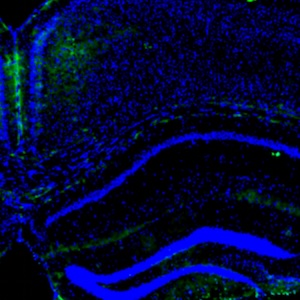
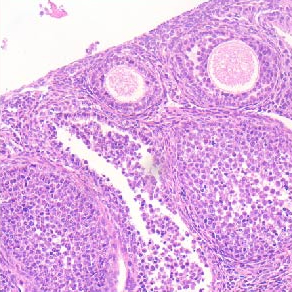
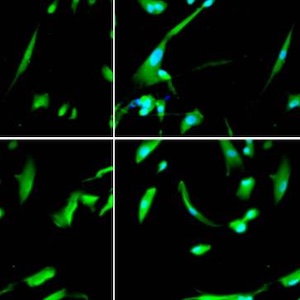
Paraneoplastic syndromes are secondary conditions to the systemic effects of cancer. Among these, paraneoplastic cerebellar degeneration (PCD) is one of the most common neurological forms. PCD is characterized by immune-mediated damage to Purkinje cells and progressive cerebellar atrophy. Exercise has already been suggested as a non-pharmacological strategy to counteract cachexia, one of the most prevalent paraneoplastic syndromes. However, the impact of physical training on PCD has not yet been investigated. In this study, male BALB/c mice were assigned to four experimental groups. Two groups (T+) were inoculated with C26 tumor fragments and either underwent a 4-week endurance training protocol (TR) or remained sedentary (SED). The remaining two groups (T−) were subjected to the same training or sedentary conditions. Tumor groups were sacrificed at the onset of cachexia to assess the impact of proactive endurance training. Cachexia onset was confirmed during the third week through body weight loss and reduced grip strength analyses. Preliminary histological analysis revealed that the overall cerebellar area was comparable across groups. Interestingly, the Purkinje cell body circularity index and layer thickness were significantly reduced in SED T+ mice and restored in TR T+ animals. Among cerebellar regions, the flocculonodular lobe -crucial for postural and oculomotor regulation- was the most impacted, yet also the one where training provided the strongest effect in preserving Purkinje cell soma size. Since ZIC4 is one of the transcription factors targeted by the autoimmune response in PCD, we evaluated its expression and localization using both immunohistochemistry and immunofluorescence. ZIC4 expression was reduced in the Purkinje cells of SED T+ mice, but training was able to protect Purkinje cells from any autoimmune attack during tumour development. We also assessed the expression of PSD95, a common marker used for the immunolabeling of the post-synaptic side of excitatory synapses. The very low expression of the PSD95 protein in SED T+ mice suggested that the tumour mass affected the synaptic plasticity, while endurance training again preserved synaptic integrity. Altogether, these results suggest an important role of training in the protection of cerebellum damage. Further studies are needed to clarify the role of exercise in protecting the stimulating synapses of the efferent fibers of the cerebellar cortex.
Downloads
Citations




How to Cite

This work is licensed under a Creative Commons Attribution-NonCommercial 4.0 International License.