
GENERATION AND CHARACTERIZATION OF A KNOCK-IN MOUSE MODEL FOR FLVCR1-RELATED SENSORY NEUROPATHY
Abalai RE1, Marvaldi L2, Ferrini F3, Riganti C1, Zanin Venturini DI1, Metani L1, Tolosano E1 and Chiabrando D1 | 1Department of Molecular Biotechnology and Health Sciences, Molecular Biotechnology Center “Guido Tarone”, University of Torino, Turin, Italy; 2Neuroscience Institute Cavalieri Ottolenghi, Orbassano (TO), Italy; 3Dipartimento di Morfofisiologia Veterinaria and Rita Levi Montalcini Center for Brain Repair, Grugliasco (TO), Italy
All claims expressed in this article are solely those of the authors and do not necessarily represent those of their affiliated organizations, or those of the publisher, the editors and the reviewers. Any product that may be evaluated in this article or claim that may be made by its manufacturer is not guaranteed or endorsed by the publisher.
Authors
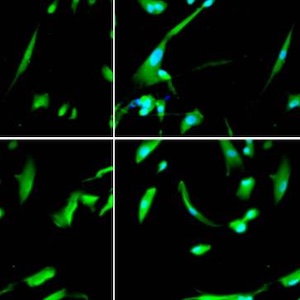
FLVCR1 (Feline-Leukemia-Virus-subgroup-C-Receptor-1) encodes a plasma membrane choline/ethanolamine importer involved in intracellular heme homeostasis and mitochondrial calcium handling. Mutations in FLVCR1 cause complex sensory neuropathies featuring retinitis pigmentosa, sensory ataxia, pain insensitivity, and motor deficits, but the mechanisms underlying neuronal dysfunction remain elusive. To address this, we generated mouse models carrying the pathogenic FLVCR1-P221S mutation in homozygosity (FLVCR1P221S/P221S) and compound heterozygosity (FLVCR1P221S/del), and established primary cultures of dorsal root ganglia (DRG) sensory neurons. Behavioral testing revealed preserved motor coordination up to 15 months, although some animals developed late-onset motor symptoms. In nociceptive assays, FLVCR1P221S/P221S mice displayed delayed thermal responses, whereas FLVCR1P221S/del mutants showed reduced mechanical sensitivity and thermal hypersensitivity. Morphological analysis of DRG neurons revealed reduced soma area and axon length in both genotypes, indicating intrinsic structural vulnerability. However, metabolic profiling of DRG, brain, liver, and muscle showed no major alterations, suggesting compensatory adaptations in vivo. These findings establish a reliable model for FLVCR1-linked sensory neuropathies, highlighting the morphological and functional consequences of FLVCR1 dysfunction in sensory neurons. This model provides a valuable tool to investigate both in vivo and in vitro on primary sensory neurons coltures how impaired choline transport and calcium signaling contribute to neuronal vulnerability and to develop targeted therapeutic strategies to preserve sensory neuron integrity.
Downloads
Citations




How to Cite

This work is licensed under a Creative Commons Attribution-NonCommercial 4.0 International License.