
THE DUAL EFFECT OF CADMIUM IN ASTROCYTE PHYSIOLOGY: FROM ADAPTIVE ACTIVATION TO POTENTIAL NEUROTOXICITY
Branca JJV, Guarnieri G, Mencarelli F, Gulisano M, Morelli A and Pacini A | Department of Experimental and Clinical Medicine, Anatomy and Histology Section, University of Firenze, Firenze, Italy
All claims expressed in this article are solely those of the authors and do not necessarily represent those of their affiliated organizations, or those of the publisher, the editors and the reviewers. Any product that may be evaluated in this article or claim that may be made by its manufacturer is not guaranteed or endorsed by the publisher.
Authors
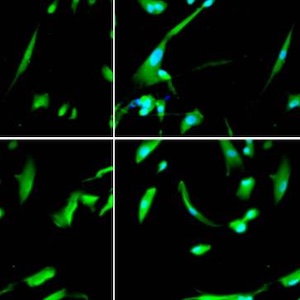
serious risk to human health due to their persistence, bioaccumulation, and toxic effects on various organs and systems. Among them, cadmium (Cd) is of particular concern for its widespread presence in industrial and consumer products, including pesticides, plastics, pigments, and cigarette smoke. However, the early effects of low-dose Cd exposure on human astrocytes remain poorly defined. Astrocytes play a crucial role in maintaining central nervous system (CNS) homeostasis, providing metabolic and structural support to neurons, regulating synaptic activity, and preserving blood–brain barrier (BBB) integrity. In this study, we investigated the impact of Cd acetate (CdAc) on astrocyte viability, migration and activation. The human astrocytic SVGp12 cell line was exposed to increasing concentrations of CdAc (0.1-100 μM) for increasing time 6-48 h. Preliminary results showed that 24 h exposure to 1 μM CdAc induced a significant 10% increase in cell viability compared to untreated astrocytes. In addition, a 30% increase in cell migration was also observed in CdAc-treated cells (1 μM, 24 h) compared to the control, as revealed by wound healing assay. In accordance, CdAc exposure (1 μM, 24 h) induced cytoskeletal rearrangement consistent with a motile phenotype, as demonstrated by F-actin immuno-fluorescence analysis. Moreover, the expression of the astrocyte markers GFAP and S100β was also significantly increased after CdAc exposure (1 μM, 24 h), indicating an early astrocyte activation. In contrast, higher CdAc concentrations (≥5 μM) reduced viability, impaired migration and induced morphological features of cytotoxicity in human astrocytes. In conclusion, our findings indicate that subtoxic Cd exposure may induce an early astrogliosis, affecting migratory ability, viability and activation of human astrocytes. This reactive state may contribute to neuroinflammatory processes and BBB dysfunction, highlighting the potential impact of low environmental Cd levels on CNS homeostasis.
This work was supported by #NEXTGENERATIONEU (NGEU) and funded by the Ministry of University and Research (MUR), National Recovery and Resilience Plan (NRRP), project MNESYS (PE0000006) – A Multiscale integrated approach to the study of the nervous system in health and disease (DR. 1553 11.10.2022).
Downloads
Citations




How to Cite

This work is licensed under a Creative Commons Attribution-NonCommercial 4.0 International License.