
A NOVEL DRUG TARGETTING THE INFLAMMASOME AMELYORATES AD PATHOLOGY IN THE MURINE MODEL 5xFAD
Chicote J1, Rosano V1, Mezzanotte M1, Bertinaria M2, Marini E2, Vercelli A1 and Stanga S1 | 1Neuroscience Institute Cavalieri Ottolenghi, Department of Neuroscience Rita Levi Montalcini, University of Turin, Italy; 2Department of Drug Science and Technology, University of Turin, Italy
All claims expressed in this article are solely those of the authors and do not necessarily represent those of their affiliated organizations, or those of the publisher, the editors and the reviewers. Any product that may be evaluated in this article or claim that may be made by its manufacturer is not guaranteed or endorsed by the publisher.
Authors
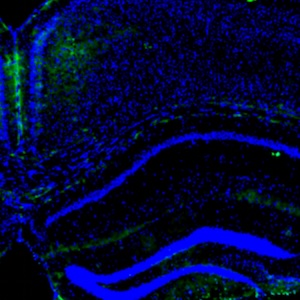
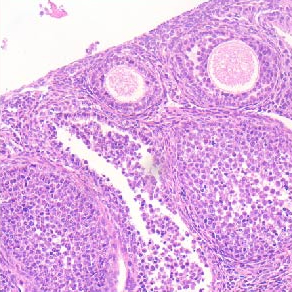
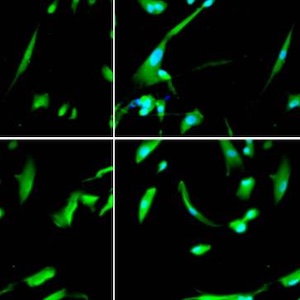
Alzheimer’s disease (AD) is a progressive neurological disorder commonly associated with aging and the main widespread form of dementia. It is known that, concomitant with plaques and tangles accumulation, patients undergo a severe neuroinflammatory and iron accumulation processes that contributes to neuronal loss during AD progression. Currently, available pharmacological treatments are unable to resolve the disease, therefore the development of novel drugs able to prevent neuroinflammation before symptoms are fully present may provide an alternative approach. In this study, 5xFAD mice, a murine model with five familial human AD mutations inducing constitutive amyloid accumulation, have been treated orally from weaning until 5 months of age with INF235. This novel compound is able to inhibit the NLRP3 inflammasome, a multiprotein complex involved in the inflammatory process that plays an active role in the pathogenesis of AD. INF235 treated mice have been compared to non-treated mice and mice treated with MCC950, a well-known NLRP3 inflammasome inhibitor. At the end of the treatment, we conducted a battery of behavioral tests to evaluate the cognitive status of 5xFAD mice and histological analysis of brain tissue. Results showed that, in the asymptomatic phase of AD, mice treated with MCC950 and INF235 have similar behaviour in terms of general cognitive improvement compared to non-treated mice. Moreover, histological staining of the main areas affected by AD (cortex, hippocampus, third ventricle, striatum) revealed a significant reduction in the amount of iron deposits in INF235-treated 5xFAD brains; and inflammatory markers, IBA- 1 and GFAP, showing a significant reduction in the state of activation of glial cells. This preliminary work shows how the novel inflammasome inhibitor, INF235, is able to reduce iron accumulation and the activation state of important players in neurodegeneration offering a novel strategy to deepen into the prevention of not only neuroinflammation but also iron dyshomeostasis during presimptomatic AD.
This work is supported by MIUR project ‘Dipartimenti di Eccellenza 2023-2027’ to Department of Neuroscience ‘RitaLevi Montalcini’ to Alessandro Vercelli and Serena Stanga.
Downloads
Citations




How to Cite

This work is licensed under a Creative Commons Attribution-NonCommercial 4.0 International License.