
CRAFTING THE MICROVASCULAR CANVAS: BIOENGINEERED MATERIALS OR NATIVE EXTRACELLULAR MATRIX FOR THE CENTRAL NERVOUS SYSTEM
De Luca C1, Virtuoso A1, Cirillo G1, De Angelis F1, Guedán A2, Maduna T3, Morin A4, Sepulveda Diaz J4, Vlachos A3,5,6, Panetsos F7, Pérez-Rigueiro J8 and Papa M1,9 | 1Laboratory of Morphology of Neuronal Networks and Systems Biology, Department of Mental and Physical Health and Preventive Medicine, University of Campania Luigi Vanvitelli, Naples, Italy; 2Bioactive Surfaces S.L., Madrid, Spain; 3Department of Neuroanatomy, Institute of Anatomy and Cell Biology, Faculty of Medicine, University of Freiburg, Freiburg, Germany; 4Microfluidics Innovation Center, Paris, France; 5Center for Basics in Neuromodulation (NeuroModulBasics), Faculty of Medicine. University of Freiburg, Freiburg, Germany 6Center BrainLinks-BrainTools, University of Freiburg, Freiburg, Germany; 7Universidad Complutense de Madrid, Madrid, Spain 8Universidad Politécnica de Madrid, Spain; 9SYSBIO Centre of Systems Biology ISBE-IT, Milan, Italy
All claims expressed in this article are solely those of the authors and do not necessarily represent those of their affiliated organizations, or those of the publisher, the editors and the reviewers. Any product that may be evaluated in this article or claim that may be made by its manufacturer is not guaranteed or endorsed by the publisher.
Authors
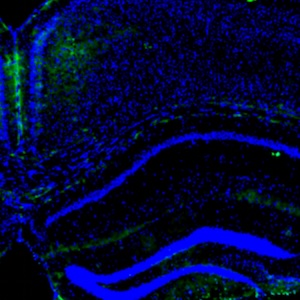
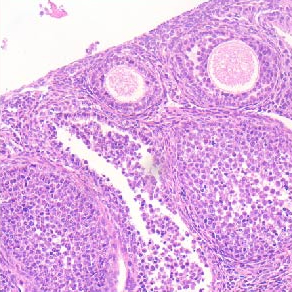
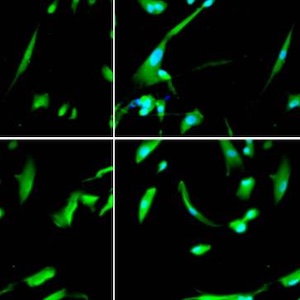
The THOR project (European Innovation Council-Pathfinder Programme, Grant Agreement number 101099719) addresses the fundamental challenge of developing a durable, working microvasculature that accurately reflects the crucial neurovascular unit (NVU) for CNS vitality and regenerative therapies. This work aims to reconstruct the complex natural process of vessel invasion into the CNS extracellular matrix (ECM) seen during embryogenesis. We utilized an innovative technique to spin and precisely deposit individual, 10-20 μm high-performance functionalized silk fibers in tailored configurations, serving as biomimetic scaffolds. We report on experiments where C57BL/6 Mouse Embryonic Brain Endothelial Cells were successfully seeded on silk scaffolds and tubes modified with either vascular endothelial growth factor (VEGF) or the IKVAV peptide from the laminin alpha-1 chain. We observed successful vascular invasion of both scaffold types and the formation of tube-like structures expressing markers for the blood-brain barrier (claudin−5) and associated pericytes (CD13, PDGFRβ). Critically, we confronted the results obtained on the functionalized silk scaffolds with those obtained using decellularized ECM derived from adult brain slices. This comparison validated the effectiveness of the engineered silk in guiding cell organization. The resulting endothelium secreted basal lamina proteins (collagen-IV, laminin) with alignments that were directed by the silk fibers (parallel, perpendicular, or anchored). The resulting biohybrid endothelium has been cultivated within a sophisticated microfluidic system featuring a pressurized lid, parallel channels, and integrated flow sensors to maintain precise culturing conditions. Our findings indicate that diverse peptides linked to the silk and the advanced microfluidics can effectively direct embryonic cell self-organization within this engineered framework to support brain tissue, acting as an engineered substitute for the complex cues of the native embryonic ECM. This work represents a significant advance toward constructing intricate microvascular networks and progressing regenerative therapies for the CNS.
Downloads
Citations




How to Cite

This work is licensed under a Creative Commons Attribution-NonCommercial 4.0 International License.