
BEYOND THE SPINAL CORD: MORPHOLOGICAL ALTERATIONS OF CORTICAL PROJECTION NEURON IN SPINAL MUSCULAR ATROPHY
La Rocca F1,2, Schellino R1,2, Iezzi G1,2, Caretto A1,2, Boido B1,2 and Vercelli A1,2 | 1Department of Neuroscience “Rita Levi Montalcini”, University of Turin, Turin, Italy; 2Neuroscience Institute Cavalieri, Ottolenghi, University of Turin, Turin, Italy
All claims expressed in this article are solely those of the authors and do not necessarily represent those of their affiliated organizations, or those of the publisher, the editors and the reviewers. Any product that may be evaluated in this article or claim that may be made by its manufacturer is not guaranteed or endorsed by the publisher.
Authors
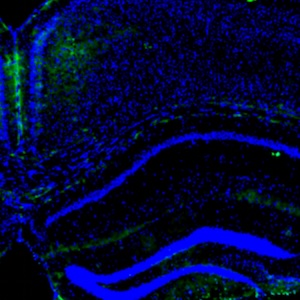
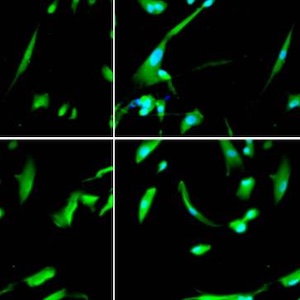
Spinal Muscular Atrophy (SMA) is a life-threatening childhoodonset neurodegenerative disease, caused by loss-of-function mutations in the SMN1 (Survival Motor Neuron 1) gene. While the lack of functional SMN protein is known to cause lower motor neuron (MN) degeneration, growing evidence suggests a broader pathological impact involving also other organs, including the brain. Nonetheless, the involvement of the sensorimotor cortex in SMA pathology, remains unclear. To determine the effect of SMN reduction on the survival and morphology of cortical projection neurons, we examined the somatosensory cortex of SMAΔ7 mice, a severe SMA model, at early (P5) and late (P11) symptomatic stages. Our findings indicate a selective vulnerability in cortical projection neurons: indeed at P11, we observed a 50% reduction in corticospinal neurons and a 36% reduction in callosal neurons. Interestingly, corticothalamic neurons show no sign of degeneration. Moreover, in SMA condition, corticospinal and callosal neurons exhibit alterations in morphological traits: this includes a significant decrease in soma size (by -32%% and -17.8%, respectively), alongside a reduction in basal dendrite length (-41% and - 40%) and complexity (-64% and -46%). Furthermore, these neuron populations display a less mature dendritic spine phenotype, characterized by an increase in filopodia and a decrease in mushroom spines compared to wild-type controls. In marked contrast, corticothalamic neurons appeared resistant, showing no signs of degeneration or evident morphological changes. These data suggest that specific populations of cortical projection neurons are uniquely sensitive to SMN absence. Interestingly, while the most severe cell death was observed at P11, the morphological changes detailed above in cortical projection neurons were already evident at the early stage of P5, coinciding with the onset of spinal MN degeneration. The identification of these early morphological markers of either vulnerability or resistance across distinct cortical cell types is essential to advancing our understanding of SMA progression and may reveal novel, selective therapeutic targets to preserve upper motor circuit function.
Downloads
Citations




How to Cite

This work is licensed under a Creative Commons Attribution-NonCommercial 4.0 International License.