
EXPERIMENTAL PARKINSONISM RECRUITS CHOLINERGIC MEDIAL SEPTAL NEURONS
Lenzi P1, Lazzeri G1, Ferrucci M1, Scotto M1, Giambelluca MA1, Binda P1 and Fornai F1,2 | 1Department of Translational Research and New Technologies in Medicine and Surgery, University of Pisa, Italy; 2IRCCS, Neuromed, Pozzili, Italy
All claims expressed in this article are solely those of the authors and do not necessarily represent those of their affiliated organizations, or those of the publisher, the editors and the reviewers. Any product that may be evaluated in this article or claim that may be made by its manufacturer is not guaranteed or endorsed by the publisher.
Authors
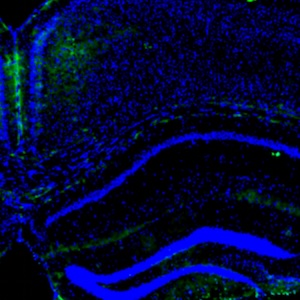
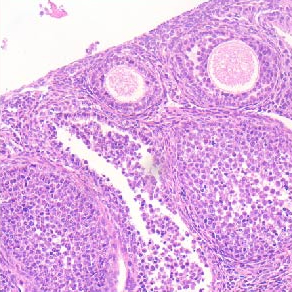
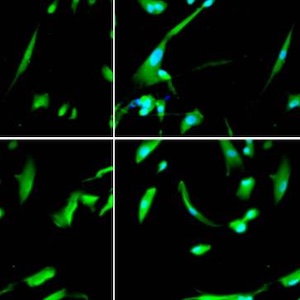
The neurotoxin 1-methyl-4-phenyl 1,2,3,6-tetrahydropyridine (MPTP) induces Parkinsonism (PD) in humans and various animal species through its MAO-B-dependent, active metabolite, 1- methyl-4-phenyl pyridinium (MPP+). The toxic effects of MPP+ are based on the quite selective uptake within neurons where it inhibits complex I of the mitochondrial respiratory chain. Apart from movement disorder due to a dopamine (DA) nigrostriatal damage, PD patients frequently suffer from cognitive deficits up to dementia. This is variably interpreted concerning the anatomical substrate(s). Concerning MPTP/MPP+ Only a few studies analysed whether this neurotoxin may overlap for cognitive symptoms. Since PD patients may feature neuronal damage affecting forebrain cholinergic neurons, it is intriguing to assess whether a cholinergic neuronal damage may occur following MPTP/MPP+. This is mostly critical considering learning and memory promoted by the cholinergic medial septal nucleus Therefore, in the present study, cholinergic cells (Ach) derived from the medial septal nucleus were used to assess MPP+ toxicity. Once neural loss was documented, the cellular targets of MPP+ toxicity were investigated. These include autophagy, which was impaired following MPP+. Therefore, MPP+-induced damage was challenged by using autophagy activators. These effects were analysed by light and electron microscopy. To evaluate the impact of MPP+ in combination with autophagy activators on cell viability, H&E staining along with Trypan Blue and Fluoro Jade-B were carried out along with ultrastructural analysis. Here we show that, the sensitivity of cholinergic neurons to MPTP/MPP+ was remarkably higher compared with DA cells. In fact, Ach damage was one hundred-folds more severe, than that of conventional nigral DA neurons. Although subcellular targets are similar in both neuronal phenotypes. Similarly, just like observed for DA neurons the recruitment of autophagy through the phytochemical curcumin protects Ach cells. Mitochondrial alterations appear at sub-toxic MPP+ concentrations and are counteracted as well. Altogether, the present data suggest that an experimental model of DA damage may also serve to reproduce Ach cell loss thereby mimicking cognitive dysfunction in PD in addition to movement disorder, which is modulated by the phytochemical curcumin.
Supported by the NextGeneration EU-National Recovery and Resilience Plan, and Ministry of University and Research (Grant # ECS 00000017 “Tuscany Health Ecosystem-THE”, Spoke # 8).
Downloads
Citations




How to Cite

This work is licensed under a Creative Commons Attribution-NonCommercial 4.0 International License.