
FLVCR1a REGULATES CORTICAL INTERNEURON DEVELOPMENT AND MIGRATION IN THE EMBRYONIC CORTEX
Metani L1, Zanin Venturini DI1, Abalai RE1 and Chiabrando D1 | 1Department of Molecular Biotechnology and Health Sciences, Molecular Biotechnology Center “Guido Tarone”, University of Torino, Torino, Italy
All claims expressed in this article are solely those of the authors and do not necessarily represent those of their affiliated organizations, or those of the publisher, the editors and the reviewers. Any product that may be evaluated in this article or claim that may be made by its manufacturer is not guaranteed or endorsed by the publisher.
Authors
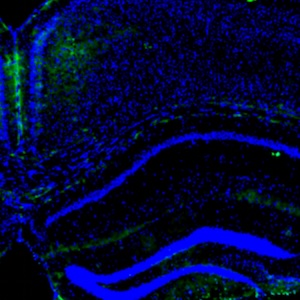
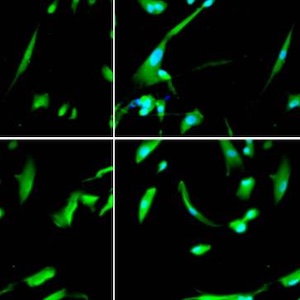
FLVCR1 (feline leukemia virus subgroup C receptor 1) is a solute carrier protein implicated in choline and ethanolamine transport, highly expressed in the developing brain. Biallelic pathogenic variants in FLVCR1 are associated with a broad spectrum of neurological disorders, including congenital hydrocephalus, microcephaly, developmental delay, epileptic encephalopathy, and adultonset neurodegeneration. While Flvcr1a deletion in neural progenitor cells (NPCs) disrupts mitochondrial calcium homeostasis and energy metabolism leading to defective neurogenesis and congenital hydrocephalus, this does not fully account for the cognitive symptoms observed in patients. Here, we explore the contribution of FLVCR1a to cortical interneuron development, as these GABAergic neurons are essential for the formation of neuronal networks. Using a conditional knockout mouse model lacking Flvcr1a in NPCs, we observed altered interneuron migration, characterized by reduced interneuron migration rates, shortened leading processes, and aberrant direction changes, along with altered morphology in vitro. Additionally, explants of medial ganglionic eminence (MGE) from mutant embryos displayed migration deficits compared to wild-type littermates. To dissect the molecular mechanism, we investigated the FLVCR1a protein interactome and identified DOCK7, a Rac1 guanine nucleotide exchange factor, and CRAD, an inhibitor of F-actin capping proteins, as FLVCR1a interactors. Additionally, by using a FRET biosensor, we reported that FLVCR1a modulates Rac1 activity a key regulator of cytoskeletal organization during migration. These findings link FLVCR1a to the regulation of cytoskeletal dynamics and cell polarity in migrating interneurons. These findings suggest that FLVCR1a deficiency disrupts cellular migration and morphology during development, likely through the modulation of cell bioenergetics and cytoskeletal dynamics. This study contributes to a deeper understanding of neurodevelopmental disorders linked to FLVCR1a mutations.
Downloads
Citations




How to Cite

This work is licensed under a Creative Commons Attribution-NonCommercial 4.0 International License.