
REDUCING PACLITAXEL-INDUCED PERIPHERAL NEUROTOXICITY VIA LIPOSOMAL DRUG TARGETING
Molteni L1, Persico A2, Kravicz M3, Antoniou A4, Peqini K4, Mantecca P2, Nicolini G1, Pellegrino S4, Re F3 and Bragato C2 | 1Experimental Neurology Unit, School of Medicine and Surgery, University of Milano-Bicocca, Monza, Italy; 2POLARIS Research Center, Dept. of Earth and Environmental Sciences, University of Milano-Bicocca, Milan, Italy; 3School of Medicine and Surgery, University of Milano-Bicocca, Monza, Italy; 4Department of Pharmaceutical Sciences, University of Milan, Milan, Italy
All claims expressed in this article are solely those of the authors and do not necessarily represent those of their affiliated organizations, or those of the publisher, the editors and the reviewers. Any product that may be evaluated in this article or claim that may be made by its manufacturer is not guaranteed or endorsed by the publisher.
Authors
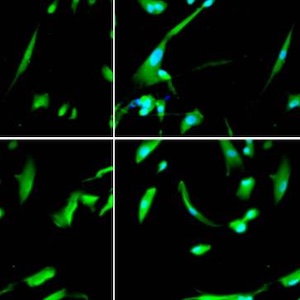
Paclitaxel (PTX) is a highly effective chemotherapeutic agent widely used in breast cancer treatment, but its clinical application is significantly limited by peripheral neurotoxicity. Innovative drug delivery systems are needed to selectively release PTX at the tumor site while minimizing neuronal damage. In this proof-ofconcept study, we developed and characterized PTX-loaded liposomes functionalized with a metalloproteinase-sensitive lipopeptide (MSLP), exploiting the overexpression of metalloproteinases in the tumor microenvironment to achieve site-specific drug release. Liposomes were prepared via thin-film hydration followed by extrusion, resulting in four formulations: PTX-loaded liposomes (LipoPTX), metalloproteinase-sensitive functionalized PTX liposomes (MSLP-LipoPTX), and unloaded liposomes (functionalized or not). Antitumor activity was evaluated in MCF-7 breast cancer cells using the MTT assay. Neurotoxicity was assessed both in vitro, using primary cultures of adult mouse sensory neurons, and in vivo, in transgenic zebrafish embryos (Tg(isl2b:GFP)zb7), analyzing morphological, behavioral, and molecular endpoints. Our results demonstrated that both LipoPTX and MSLP-LipoPTX preserved the anticancer activity of free PTX while significantly reducing its neurotoxic effects. In sensory neuron cultures, liposomal formulations induced only mild neurite shortening compared with free PTX. In zebrafish embryos, treatment with LipoPTX and MSLP-LipoPTX was associated with lower mortality, fewer caudal fin abnormalities, and improved responsiveness to mechanical stimuli. Overall, these findings suggest that functionalized liposomes can effectively deliver PTX while mitigating peripheral neurotoxicity in both in vitro and in vivo models. This strategy offers a promising approach to enhance the therapeutic index of PTX and supports further investigations in zebrafish xenograft models of human breast cancer to validate its translational potential.
Downloads
Citations




How to Cite

This work is licensed under a Creative Commons Attribution-NonCommercial 4.0 International License.