
EXPLORING NEURON–GLIOMA SIGNALING THROUGH IN VITRO CO-CULTURES
Nicorvo E¹, Ferraro A¹, Pacca P¹, Boido M¹, Di Cunto F¹ and Vercelli A¹ | ¹Department of Neuroscience “Rita Levi Montalcini”, Neuroscience Institute Cavalieri Ottolenghi, University of Turin, Italy
All claims expressed in this article are solely those of the authors and do not necessarily represent those of their affiliated organizations, or those of the publisher, the editors and the reviewers. Any product that may be evaluated in this article or claim that may be made by its manufacturer is not guaranteed or endorsed by the publisher.
Authors
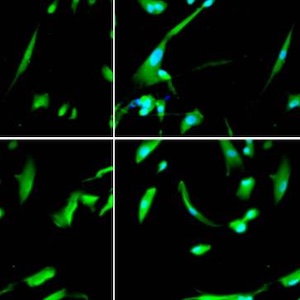
The tumor microenvironment (TME) represents a highly dynamic and multifaceted ecosystem composed of both cellular and noncellular components that collectively modulate tumor initiation, progression, and metastatic potential. Within this intricate milieu, neuron-tumor interactions have recently emerged as critical determinants of cancer behavior, especially in malignancies of the nervous system, where neuronal activity appears to sustain and even accelerate tumor growth. Increasing evidence supports the existence of a bidirectional communication between neurons and cancer cells, involving the exchange of soluble factors, neurotransmitters, and vesicular signals that influence cell survival, proliferation, and morphology. To dissect the molecular mechanisms underlying this neuron-tumor crosstalk, we established and optimized a series of in vitro co-culture models. Primary cortical neurons derived from C57BL/6 mice and neurons differentiated from human induced pluripotent stem cells (hiPSCs) were co-cultured with U87 glioblastoma cells to reproduce the neural-tumor interface. Both transwell-based co-culture systems and conditioned media (CM) approaches were implemented to evaluate the impact of glioma-secreted components on neuronal viability and morphology. Neuronal dynamics were monitored in real time using the Incucyte live-cell imaging system equipped with the Neurotrack module. Exposure to glioma-conditioned medium led to pronounced neurotoxic effects in murine cells, including a 36% reduction in neurite length (p=0.0055), a 44% decrease in cell number (p=0.0024), and a significant increase in cytotoxicity after 48 h (p=0.0116). These findings highlight the detrimental influence of glioblastoma-derived soluble factors on neuronal structure and function. Complementary Western blot analyses confirmed this phenotype, revealing a marked decrease in βIII-tubulin (-60%) and synapsin (-80%) expression in CM-treated murine neurons, indicating impaired cytoskeletal stability and synaptic integrity. Current efforts focus on extending these observations to hiPSCderived neuronal cultures and enhancing the physiological relevance of the model by integrating advanced microfluidic co-culture systems. Such platforms will allow spatiotemporal control of cellular interactions, providing a more faithful in vitro representation of the brain tumor microenvironment and enabling the identification of molecular targets capable of disrupting the pro-tumor neuronal support network.
Downloads
Citations




How to Cite

This work is licensed under a Creative Commons Attribution-NonCommercial 4.0 International License.