
MITOCHONDRIAL DYSFUNCTION AS A KEY FACTOR OF MOTOR NEURON DEGENERATION: INSIGHTS FROM AMYOTROPHIC LATERAL SCLEROSIS CELLULAR MODELS
Scimia N¹, Carletti RM², Rasà MD¹, Ferrari D3, Boido M¹ and Stanga S¹ | ¹Neuroscience Institute Cavalieri Ottolenghi, Orbassano (TO), Department of Neuroscience Rita Levi Montalcini, University of Turin, Italy; ²Fondazione IRCCS Casa Sollievo della Sofferenza, San Giovanni Rotondo, Italy; 3Department of Biotechnology and Biosciences, University of Milano-Bicocca, Milan, Italy
All claims expressed in this article are solely those of the authors and do not necessarily represent those of their affiliated organizations, or those of the publisher, the editors and the reviewers. Any product that may be evaluated in this article or claim that may be made by its manufacturer is not guaranteed or endorsed by the publisher.
Authors
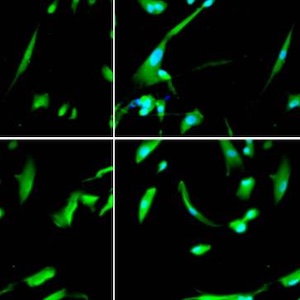
Motor Neuron Diseases (MNDs) are progressive pathologies defined by loss of both upper and lower motor neurons (MNs). Mitochondrial dysfunction is recognized as a crucial contributor to MNDs pathogenesis, including Spinal Muscular Atrophy (SMA) and Amyotrophic Lateral Sclerosis (ALS). Both disorders, despite differences in onset and genetic causes, share progressive MNs degeneration, in which alterations in mitochondrial morphology, function and transport play a central role. However, how mitochondrial dysfunctions promote neuronal degeneration is not clear from a mechanistic standpoint. This study aims to understand pathological mechanisms related to mitochondrial dysfunctions to facilitate the recognition of early disease manifestations and ultimately identify new therapies for MNDs. Since mitochondrial dysfunction are one of the earliest neuropathological features observed in ALS, ongoing work employs NSC-34 motor neuron cell lines stably transfected with the human wild-type SOD1 gene or the mutated one (G93A), as an in vitro model. By using live-cell imaging techniques (Incucyte and Operetta), mitochondrial dynamics and distribution are monitored in real-time and semiquantitatively, as confirmed by Western Blot. Alongside a comprehensive morphological analysis of SOD1 motor neurons and control cells, we investigated the effects of MitoQ, a mitochondria-targeted antioxidant that might alleviate ALS-related mitochondrial abnormalities. To this aim, the optimal non-toxic yet effective dose was identified. So far, our data indicate that mitochondrial dysfunction represents a promising target for MND investigations.
This work is supported by MIUR project “Dipartimenti di Eccellenza 2023–2027” to Department of Neuroscience “RitaLevi Montalcini”, PIANO NAZIONALE DI RIPRESA E RESILIENZA (PNRR) “Fondo per il Programma Nazionale di Ricerca e Progetti di Rilevante Interesse Nazionale (PRIN) 2022” to Serena Stanga.
Downloads
Citations




How to Cite

This work is licensed under a Creative Commons Attribution-NonCommercial 4.0 International License.