
ALPHA SYNUCLEIN REGULATION IN BRAIN AND BONE MARROW IS RELETED TO THE DIFFERENTIAL EXPRESSION OF GATA1 TRANSCRIPTION FACTOR
Velardi V1, Arciprete F1, Caturano C1, Rana RA1, Mancinelli R2, Zingariello M1 and Vivacqua G1 | 1Unit of Microscopic and Ultrastructural Anatomy, University Campus Bio-Medico, Rome, Italy; 2Department of Anatomic, Histologic, Forensic Medicine and Locomotor Apparatus Science, Sapienza University of Rome, Italy
All claims expressed in this article are solely those of the authors and do not necessarily represent those of their affiliated organizations, or those of the publisher, the editors and the reviewers. Any product that may be evaluated in this article or claim that may be made by its manufacturer is not guaranteed or endorsed by the publisher.
Authors
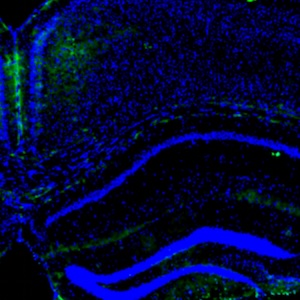
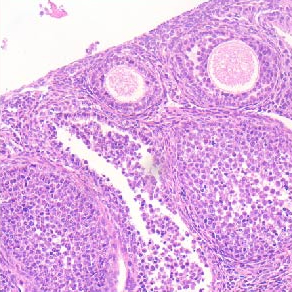
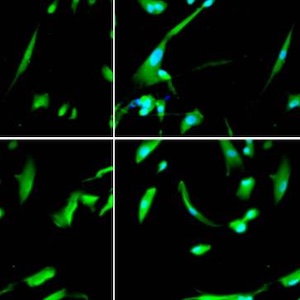
Alpha-synuclein (α-syn), is a protein abundantly expressed in the central nervous system and in the erythrocytes, playing a pivotal role in the pathogenesis of Parkinson’s disease and other synucleinopathies. Among the GATA family transcription factors (TFs), GATA1 and GATA2 regulate the meg-erythrocytic differentiation starting from the hematopoietic stem cell. In erythropoiesis, the GATA1-2 switching, is known to regulate the α-syn gene (SNCA) expression, which is essential for iron metabolism and membrane stability. Abnormalities in α-syn regulation alter erythrocytic function, possibly contributing to pathological mechanisms of different synucleinopathies. Due to this potential role for GATA1 in synucleinopathies we aimed to underline the effects of GATA1 downregulation on aging and α-syn expression. To this aim we explored the contribution of hematological alteration in the development of neurodegenerative disorder by analyzing the different organs from the Gata1low mice, as model of aging and Myelofibrosis. Bone marrow and brain section from young and aged Gata1low mice showed significant differences in the α-syn expression compared to their relative controls, suggesting a trend in α-syn aggregation that increases with aging. In the brain, the GATA1 expression was reduced in aged Gata1low mice and resulted in shrinker neurons with mitochondrial alterations. The bone marrow from aged Gata1low mice was characterized by increased level of inflammatory cytokine as TGF-β, that parallel the different expression and the aggregation of α-syn. Moreover, morphological determinations revealed that α-syn expression was related to cells resembling the most immature myeloid phenotype (i.e. Reticulocytes). These results suggest the pivotal role of GATA1 TF in the regulation of α-syn expression and aggregation, highlighting the potential role of GATA1 and bone marrow in the pathogenesis of synucleinopathies.
Downloads
Citations




How to Cite

This work is licensed under a Creative Commons Attribution-NonCommercial 4.0 International License.