
CONNEXIN 43 HEMICHANNELS CAN DRIVE THE GLIOBLASTOMA SPREADING
Virtuoso A1, De Luca C1, Altieri R2, Milior G3, Moulard J3, Huberfeld J3, Cirillo G1, Barbarisi M2, Rouach N3 and Papa M1 | 1Laboratory of Neural Network Morphology and Systems Biology, Department of Mental and Physical Health and Preventive Medicine, University of Campania Luigi Vanvitelli, Naples, Italy; 2Multidisciplinary Department of Medical, Surgical and Dental Specialties, University of Campania Luigi Vanvitelli, Naples, Italy; 3Interdisciplinary Research Center in Biology, College de France, CNRS, INSERM, Labex Memolife, Université PSL, Paris, France
All claims expressed in this article are solely those of the authors and do not necessarily represent those of their affiliated organizations, or those of the publisher, the editors and the reviewers. Any product that may be evaluated in this article or claim that may be made by its manufacturer is not guaranteed or endorsed by the publisher.
Authors
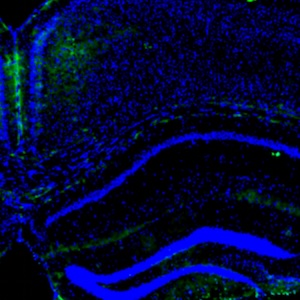
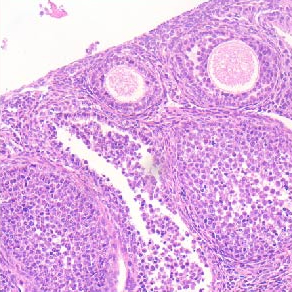
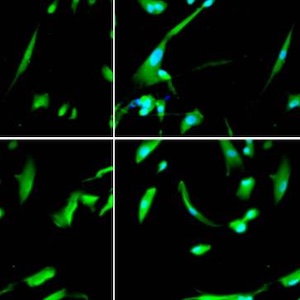
Glioblastoma (GBM) is the most common and aggressive primary tumor of the central nervous system (CNS) among high-grade gliomas (HGG). Patients with GBM often have a poor prognosis. Glioblastoma cells have a remarkable ability to infiltrate the CNS and migrate long distances from the tumor core, making complete surgical resection impossible. GBM infiltration relies on electrical and molecular connections with nervous tissue. Among molecular interactions, connexin 43 (Cx43) appears to be a marker for HGG in mouse models. Cx43 is a multifunctional protein, and is found on the plasma membranes of glial cells – particularly astrocytes – in the form of gap junctions or hemichannels, ensuring cell-to-cell or cell-to-extracellular space communication, respectively. Cx43 can be expressed by transformed astrocytes, i.e., GBM cells. Its abnormal expression can alter the electrical state of the system, resulting in epileptic events. To study the dynamics of GBM spread in humans, we characterized tumor and peritumoral tissue from glioma patients. Using confocal microscopy and functional assays, we assessed the state of the neuroglial network in fresh brain sections. Electrical activity, Cx43 density, and glial reactivity were correlated with the degree of tumor infiltration. In parallel, primary human glioblastoma cells were labeled by lentiviral transduction and injected into organotypic tissue sections from the same patients. The glioblastoma cells were monitored until day seven in culture by time-lapse microscopy to follow tumor progression and their response to Gap19, a selective blocker of Cx43 hemichannels. Tumor tissue has a different architecture than peritumoral tissue, which is reflected in specific electrical and morphological profiles. In peritumoral tissue, implanted GBM cells spread into the neuroglial network, and blockade of Cx43 hemichannels results in tissue remodeling and GBM cell polarization, which may correspond to a migratory pattern. This study reveals that tumor progression is not an isolated phenomenon but it is driven by interactions with the surrounding environment in living brain tissue. In particular, Cx43 hemichannels emerge as key players in tumor spread and recurrence, revealing a more complex dynamic than expected. This finding challenges the traditional idea of GBM as an entity external to the brain, especially considering the rarity of its metastases.
Downloads
Citations




How to Cite

This work is licensed under a Creative Commons Attribution-NonCommercial 4.0 International License.