
AN INDUCED PLURIPOTENT STEM CELL MODEL OF FLVCR1-RELATED NEUROPATHY UNCOVERS MITOCHONDRIAL AND MEMBRANE DISORGANIZATION IN SENSORY NEURONS
Zanin Venturini DI1, Kopecka J2, Zhao B3, Yu TW3, Abalai RE1, Metani L1, Salio C4, Riganti C2, Tolosano E1 and Chiabrando D1 | 1Department of Molecular Biotechnology and Health Sciences, Molecular Biotechnology Center (MBC) “Guido Tarone”, University of Torino, Turin, Italy; 2Department of Oncology, Molecular Biotechnology Center, University of Turin, Italy; 3Division of Genetics and Genomics, Boston Children’s Hospital, Boston, MA, Harvard Medical School, USA; 4Department of Veterinary Sciences, University of Torino, Turin, Italy
All claims expressed in this article are solely those of the authors and do not necessarily represent those of their affiliated organizations, or those of the publisher, the editors and the reviewers. Any product that may be evaluated in this article or claim that may be made by its manufacturer is not guaranteed or endorsed by the publisher.
Authors
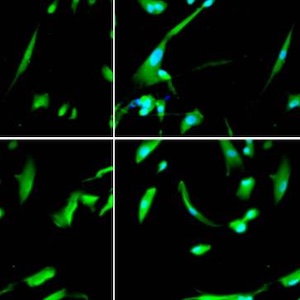
FLVCR1-related sensory neuropathies are rare childhood-onset disorders characterized by the progressive degeneration of sensory neurons and/or photoreceptors, leading to sensory ataxia, pain insensitivity, and retinitis pigmentosa. Mutations in the Feline Leukemia Virus Subgroup C Receptor 1 (FLVCR1) gene disrupt a multifunctional transporter that mediates choline and ethanolamine fluxes and interacts with the IP3R3–VDAC complex to regulate mitochondrial Ca²+ uptake at mitochondria-associated membranes (MAMs). Our findings reveal that patient-derived fibroblasts carrying pathogenic FLVCR1 variants display reduced choline availability, altered membrane lipid composition, and impaired MAM architecture, culminating in defective mitochondrial bioenergetics. To investigate the neuronal consequences of these alterations, we reprogrammed patient fibroblasts into induced pluripotent stem cells (iPSCs) and differentiated them into sensory neurons expressing the lineage-specific marker BRN3A. Strikingly, patient-derived neurons exhibited aberrant morphology, compromised axonal outgrowth, and disrupted network organization. Together, these data point to a dual pathogenic mechanism in which FLVCR1 mutations perturb both mitochondrial function and membrane homeostasis – two processes essential for neurotrophic signaling, axonal transport, and neuronal integrity. Our iPSC-derived model captures the neuromorphological and metabolic vulnerability of sensory neurons in FLVCR1-related neuropathies, providing a valuable platform to dissect disease mechanisms and identify novel therapeutic targets.
Downloads
Citations




How to Cite

This work is licensed under a Creative Commons Attribution-NonCommercial 4.0 International License.